All articles published by MDPI are made immediately available worldwide under an open access license. No special
permission is required to reuse all or part of the article published by MDPI, including figures and tables. For
articles published under an open access Creative Common CC BY license, any part of the article may be reused without
permission provided that the original article is clearly cited. For more information, please refer to
https://www.mdpi.com/openaccess.
Feature papers represent the most advanced research with significant potential for high impact in the field. A Feature
Paper should be a substantial original Article that involves several techniques or approaches, provides an outlook for
future research directions and describes possible research applications.
Feature papers are submitted upon individual invitation or recommendation by the scientific editors and must receive
positive feedback from the reviewers.
Editor’s Choice articles are based on recommendations by the scientific editors of MDPI journals from around the world.
Editors select a small number of articles recently published in the journal that they believe will be particularly
interesting to readers, or important in the respective research area. The aim is to provide a snapshot of some of the
most exciting work published in the various research areas of the journal.
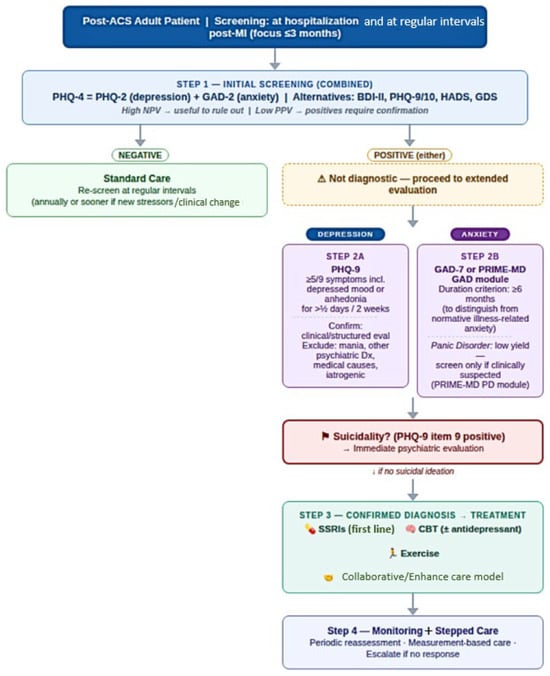
Mental health disorders (MHDs) and acute coronary syndromes (ACSs) demonstrate reciprocal pathophysiological connections with substantial prognostic implications. Despite robust evidence linking MHDs to adverse cardiovascular outcomes, the bidirectional relationship remains inadequately characterized in clinical practice, with limited integration of mental health screening into
[...] Read more.
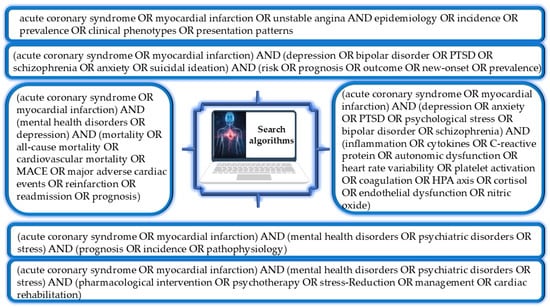
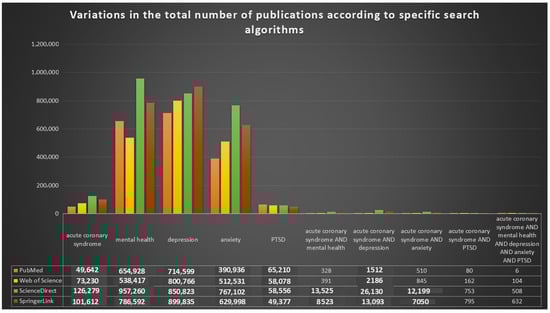
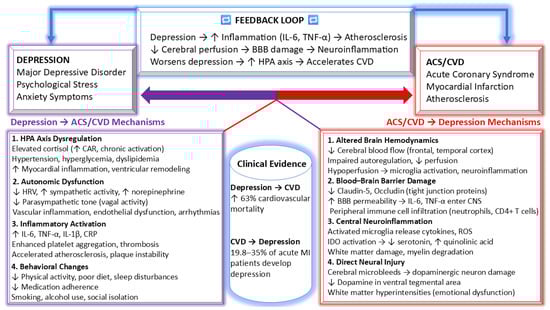
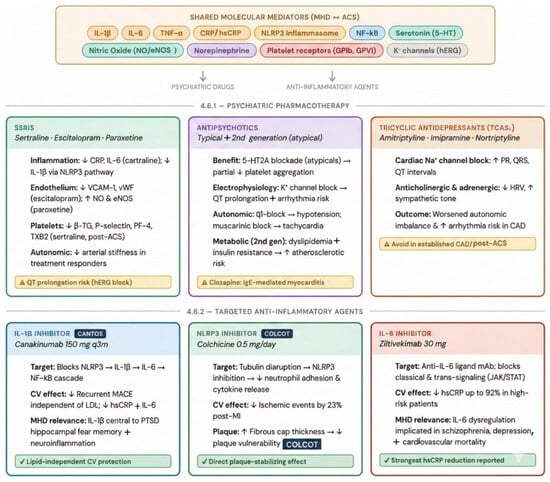
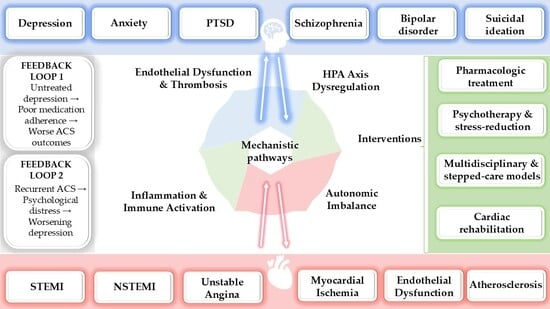
Mental health disorders (MHDs) and acute coronary syndromes (ACSs) demonstrate reciprocal pathophysiological connections with substantial prognostic implications. Despite robust evidence linking MHDs to adverse cardiovascular outcomes, the bidirectional relationship remains inadequately characterized in clinical practice, with limited integration of mental health screening into routine cardiac care pathways. The present narrative review comprehensively presents contemporary data on epidemiology, shared biological mechanisms, clinical consequences, and integrated management strategies across the MHD–ACS continuum. A synthesis of peer-reviewed literature, meta-analyses, observational cohorts, randomized trials, and international guideline documents was performed, focusing on depression, anxiety, post-traumatic stress disorder, bipolar disorder, schizophrenia, and suicidality in relation to ACSs. MHDs are highly prevalent in ACS populations and independently predict increased mortality, major adverse cardiac events, and poorer functional recovery. Shared mechanisms include chronic low-grade inflammation, autonomic imbalance, hypothalamic–pituitary–adrenal axis hyperactivation, platelet hyperreactivity, and endothelial dysfunction. Selective serotonin reuptake inhibitors and cognitive behavioral therapy demonstrate the strongest evidence for treating depression in cardiac populations. Collaborative, stepped-care, and integrated cardiac rehabilitation models consistently improve psychological outcomes, with variable effects on cardiovascular endpoints. MHDs and ACSs form a self-reinforcing clinical continuum. Routine mental health screening and integrated cardio-psychiatric care represent essential components of secondary prevention and long-term outcome optimization.
Full article
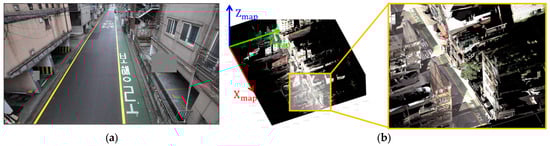
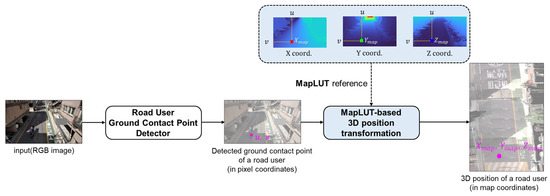
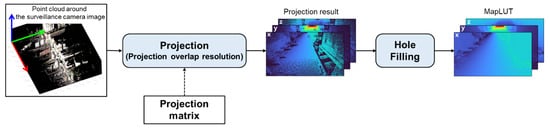
Accurate detection and positioning of road users are essential for vehicle-to-infrastructure (V2I)-assisted autonomous driving. For this purpose, the road user’s ground contact point is usually detected in a monocular camera image. Then, a homography-based method is used to convert this detected point into
[...] Read more.
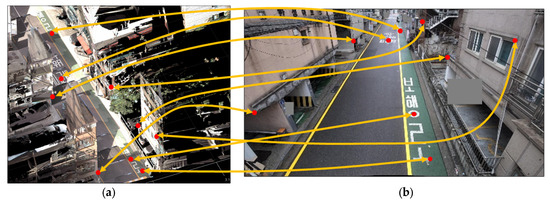
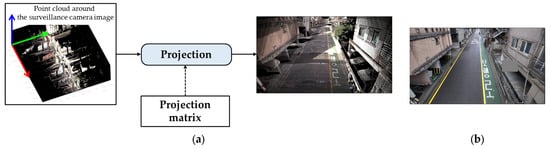
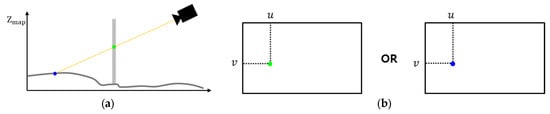
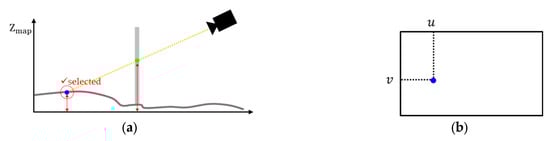
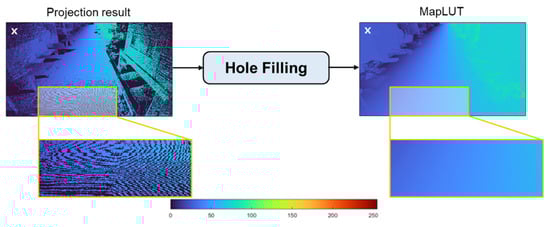
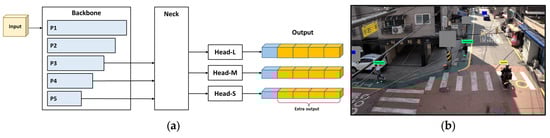
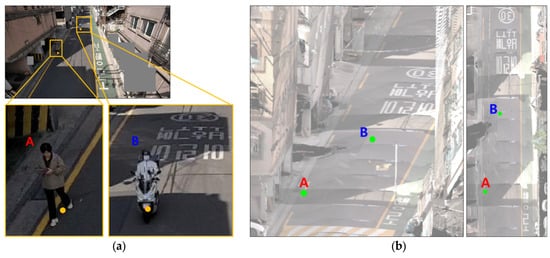
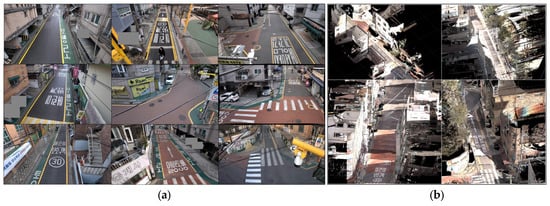
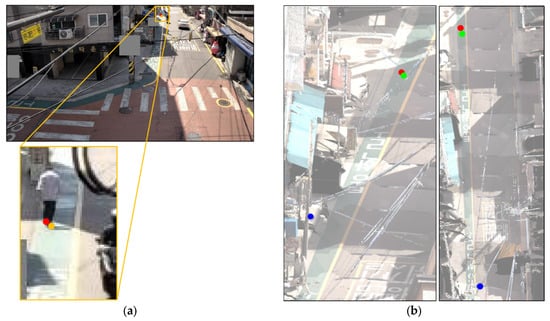
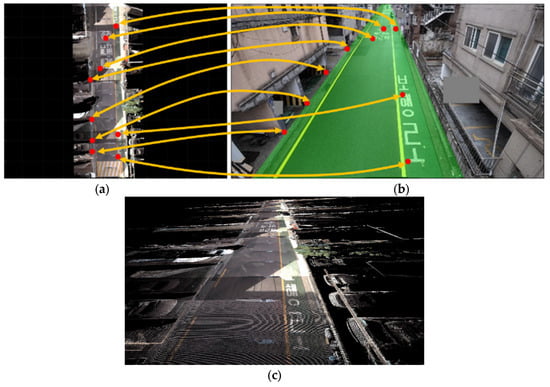
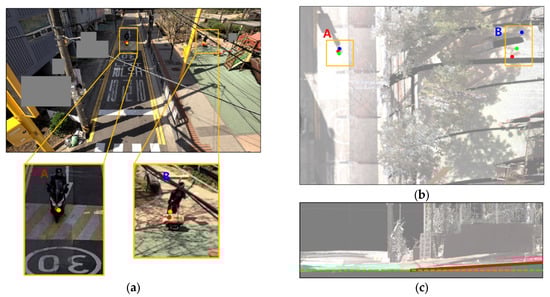
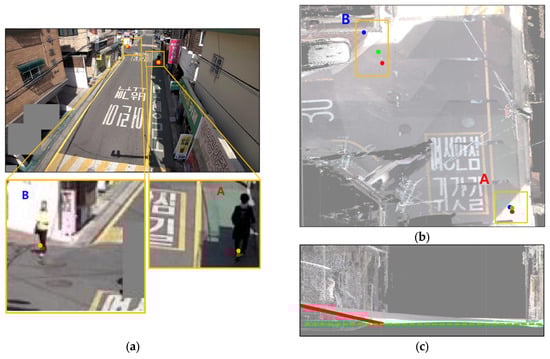
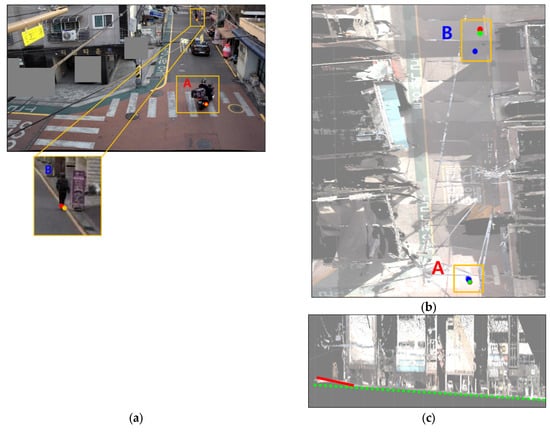
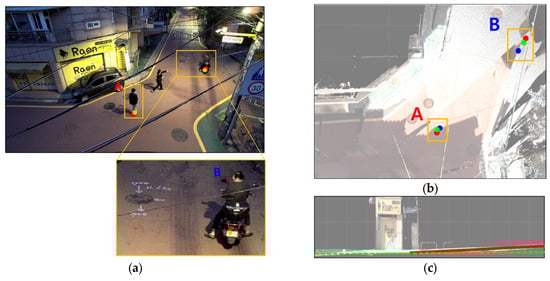
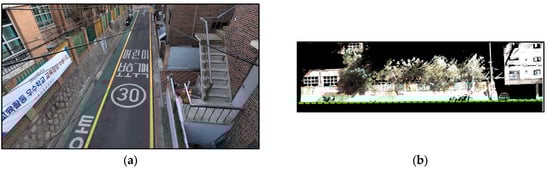
Accurate detection and positioning of road users are essential for vehicle-to-infrastructure (V2I)-assisted autonomous driving. For this purpose, the road user’s ground contact point is usually detected in a monocular camera image. Then, a homography-based method is used to convert this detected point into its corresponding map position. However, the homography-based method assumes that the ground is planar, which leads to significant positioning errors in real-world environments. This limitation degrades the reliability of V2I-assisted autonomous driving, particularly in environments with complex road geometries. This study presents a method for accurately estimating the positions of road users using 3D point clouds generated by a Mobile Mapping System (MMS) for map construction without incurring additional costs. Moreover, since surveillance cameras are typically installed in urban areas, point clouds for these regions are often already available. The proposed method uses a pre-generated Look-Up Table (LUT), which is created by projecting MMS-based 3D point clouds onto the image coordinate system, so that each pixel in the image stores its corresponding 3D map position. Once the ground contact points of road users are detected in the image, the corresponding 3D positions on the map can be directly obtained by referencing the LUT. In the experiments, the proposed method was evaluated using surveillance camera images and MMS-based point clouds collected from various real-world environments. The results show that the proposed method reduces positioning errors of road users by an average of 61.4% compared to the conventional homography-based method. The improvement is particularly significant in environments with ground slope variations. In addition, the proposed method demonstrates real-time feasibility on an embedded camera, achieving low latency and power-efficient performance suitable for V2I edge deployment.
Full article
Almost all publications in biomedical literature have employed statistical tests, with p-values being considered of particular importance in the assessment of the presence of a link between two variables. However, these tests and p-values have been the subject of considerable criticism.
[...] Read more.
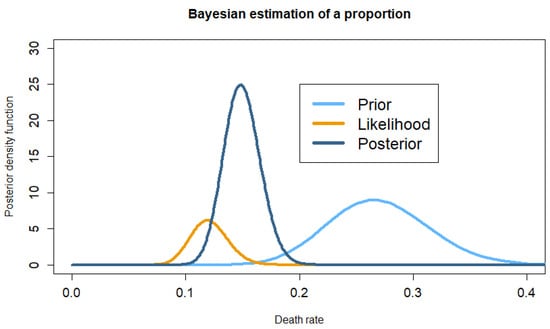
Almost all publications in biomedical literature have employed statistical tests, with p-values being considered of particular importance in the assessment of the presence of a link between two variables. However, these tests and p-values have been the subject of considerable criticism. It may appear paradoxical that tools utilised by the scientific community for nearly a century could possess all the flaws attributed to them. This paradox can partially be explained by the counterintuitive nature of p-values and the fact that the test that generates them is the result of a combination of two tests that were developed to answer statistical questions of a very different nature. The respective characteristics of these two tests are essentially unknown to the majority of users of p-values. The aforementioned paradox can be partially explained by the paucity of publications that seek to elucidate these concepts for users of p-values, the majority of whom are not statisticians. The recently introduced Bayesian methods have properties that enable us to understand the limitations of traditional methods. In Bayesian methods, the use of a specific interpretation of probability allows for better exploitation of clinical research data. The aim of this article is to highlight the limits of non-Bayesian methods and explain the principles and functioning of Bayesian methods to a non-statistical audience.
Full article
Peripheral nerve injuries pose a significant clinical challenge due to the limited self-repair capacity and the complexity of neural tissue architecture. Tissue engineering strategies applied to the peripheral nerve system aim to restore functional nerve constructs by combining scaffolds, cells, and biochemical cues
[...] Read more.
Peripheral nerve injuries pose a significant clinical challenge due to the limited self-repair capacity and the complexity of neural tissue architecture. Tissue engineering strategies applied to the peripheral nerve system aim to restore functional nerve constructs by combining scaffolds, cells, and biochemical cues to recreate the native microenvironment. This work aimed to propose the electrical conductivity as a functional readout of structural and biological remodeling in engineered peripheral nerve scaffolds, along with functional and molecular evaluations. To this end, bioimpedance measurements were combined with equivalent circuit modeling to track state-dependent changes across different levels of tissue organization. Murine sciatic nerves were decellularized and recellularized with neural populations to generate engineered constructs, and their electrical properties were assessed using broadband bioimpedance spectroscopy. Distinct impedance profiles were observed across control, decellularized, and recellularized samples, reflecting structural and functional changes associated with cell removal and repopulation. Furthermore, a multilayer series RC circuit model was implemented to accurately reproduce the measured spectra, enabling the extraction of layer-specific electrical parameters. Analysis of these parameters revealed that decellularization reduces compartmental resistances and increases inter-layer coupling, whereas recellularization restores outer-layer resistances and reduces coupling, consistent with functional tissue organization. Overall, the results demonstrate that bioimpedance provides a readout of the scaffold biological state and cellular integration, and that equivalent circuit modeling offers a quantitative framework to link structural remodeling to electrical function in engineered peripheral nerve tissues.
Full article
Functional analysis of SLC22A5 variants can improve diagnostic accuracy in patients with primary carnitine deficiency (PCD). Herein, we performed a genetic analysis of three neonates with PCD. Two of the patients harbored a novel synonymous SLC22A5 variant that has not been previously reported,
[...] Read more.
Functional analysis of SLC22A5 variants can improve diagnostic accuracy in patients with primary carnitine deficiency (PCD). Herein, we performed a genetic analysis of three neonates with PCD. Two of the patients harbored a novel synonymous SLC22A5 variant that has not been previously reported, and the other patient harbored a classical splice site variant. The splicing patterns of the two SLC22A5 variants were evaluated using three in silico tools, and in vitro minigene analysis was performed to verify the impact of variants on RNA splicing mechanisms. All three in silico tools predicted that both SLC22A5 variants could alter normal RNA splicing. Functional studies using minigene assays demonstrated that the c.450C>T (p.F150=) leads to partial exon 2 skipping, and c.394-1G>A leads to intron 1 retention and exon 2 skipping. Intron 1 retention of 65 nucleotides and exon 2 skipping were confirmed by sequencing cDNA amplification products. These results, along with functional evidence, led to reclassification of c.450C>T (p.F150=) and c.394-1G>A as likely pathogenic and pathogenic, respectively. This is the first reported synonymous variant in the SLC22A5 gene that has been functionally validated to affect RNA splicing, thus enriching the variant spectrum of SLC22A5 and aiding accurate PCD diagnosis.
Full article
Re-entry flights of reusable first or upper stages typically foresee phases in the hypersonic flight regime, characterized by severe aero-thermal loads which could become critical for the most exposed components, like the vehicle forebody or the fin leading edges. These require consequently dedicated
[...] Read more.
Re-entry flights of reusable first or upper stages typically foresee phases in the hypersonic flight regime, characterized by severe aero-thermal loads which could become critical for the most exposed components, like the vehicle forebody or the fin leading edges. These require consequently dedicated thermal protection systems (TPS), whose design generally requires a multi-disciplinary approach. In this framework, a viable solution is the use of high-temperature resistant ceramic matrix composite (CMC) structures, but the implementation of such technology, especially for the manufacturing of complex components and its application in real flight conditions, still presents significant challenges. In this work, the design activities for the CMC-based TPS of the payload forebody of a hypersonic sounding rocket are presented, developed within the framework of the STORT project, whose mission includes in flight demonstration of multiple critical technologies required for sustained flight at Mach numbers above 8, corresponding to a significantly high integral thermal load.
Full article
The effects of three metabolizable energy (ME) levels and the use of guanidinoacetic acid (GAA) were evaluated on broiler performance and nutrient digestibility from 1 to 35 d of age. In total, 1944-d-old Ross AP95 male broilers were randomly distributed to six treatments
[...] Read more.
The effects of three metabolizable energy (ME) levels and the use of guanidinoacetic acid (GAA) were evaluated on broiler performance and nutrient digestibility from 1 to 35 d of age. In total, 1944-d-old Ross AP95 male broilers were randomly distributed to six treatments (12 replicates/treatment). Diets were formulated to contain three ME levels (standard energy [SE], −50 kcal/kg reduced energy [−50 RE] and −100 kcal/kg reduced energy [−100 RE]) in all feeding phases with or without GAA inclusion. For the nutrient-metabolizable analysis, 960-day-old male broilers were separately raised in floor pens until 14 d of age and randomly distributed to six treatments (16 replicates/treatment). Data were analyzed with ANOVA and Tukey’s test at p ≤ 0.05. There was a significant interaction for the feed conversion ratio (FCR) at 21 days, in which the PC diet showed better FCR when GAA was included. In the evaluation of the main effects, an effect of metabolizable energy (ME) was observed on body condition score (BCS) at 7 and 21 days, feed intake (FI) at 21 and 35 days, and feed conversion ratio (FCR) at 21 days, with the PC diet showing better FCR and lower FI. An effect of GAA was observed on feed conversion ratio at 21 days, with the inclusion of GAA in the diet showing better FCR. In conclusion, broilers fed SE diets with GAA, beyond better performance, had improved AME and AMEn compared to broilers fed RE diets without GAA in starter diets.
Full article
In the family of Vespidae there are examples of social evolution that are particular, compared to those found among other social insects. The characteristics of eusociality are, however, found only in three subfamilies, those of Stenogastrinae, Vespinae and Polistinae, but the problem of
[...] Read more.
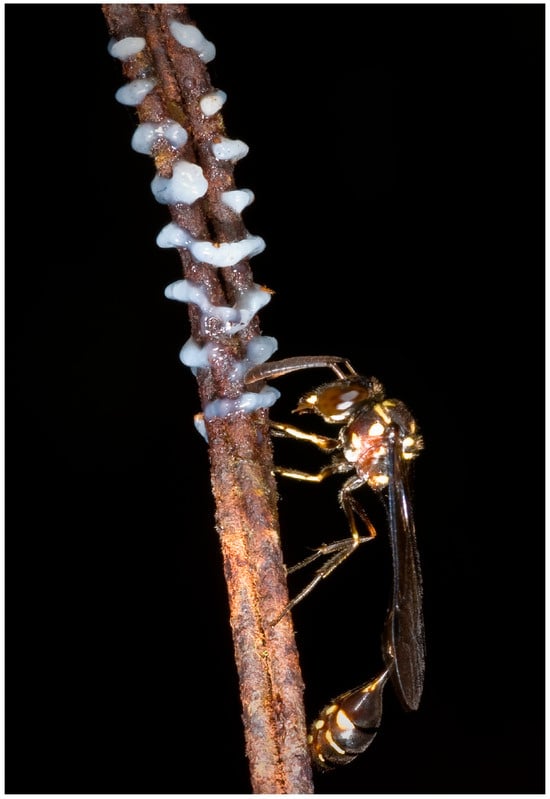
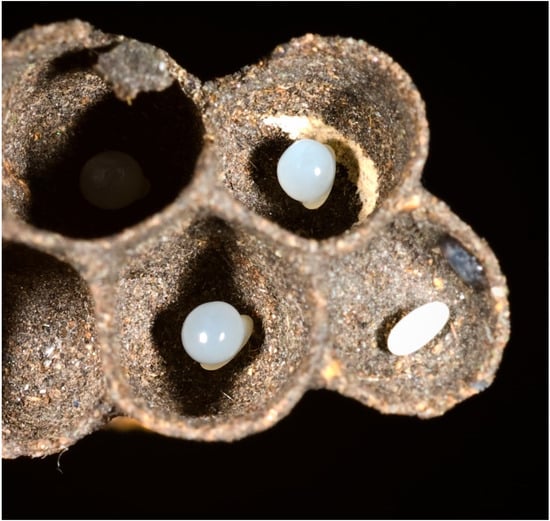
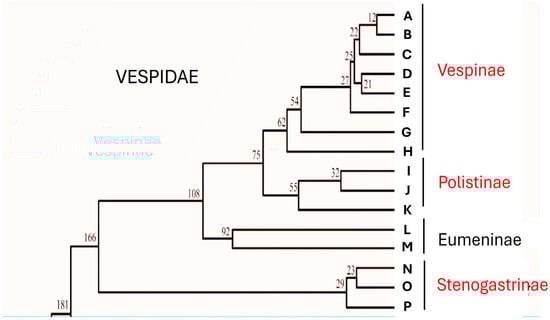
In the family of Vespidae there are examples of social evolution that are particular, compared to those found among other social insects. The characteristics of eusociality are, however, found only in three subfamilies, those of Stenogastrinae, Vespinae and Polistinae, but the problem of whether eusociality appeared one or two times has long been debated. Biomolecular analysis studies have definitively demonstrated that the Stenogastrinae are the representatives of a social lineage completely independent from that of the Polistinae and the Vespinae. In the present paper, I want to emphasize the various phenotypic characteristics, especially studied by the group for the study of social insects of the University of Florence, which make these social wasps different from the others.
Full article
Background/Objectives: Healthcare systems increasingly rely on standardized diagnostic information to support clinical decision-making, reimbursement, and public health governance. Although accreditation of medical laboratories underpins trust in diagnostic services, in practice, it is encountered primarily through the way in which accredited status is communicated
[...] Read more.
Background/Objectives: Healthcare systems increasingly rely on standardized diagnostic information to support clinical decision-making, reimbursement, and public health governance. Although accreditation of medical laboratories underpins trust in diagnostic services, in practice, it is encountered primarily through the way in which accredited status is communicated in routine healthcare documentation. This study examines national rules that govern the communication of accreditation-related information and their relevance for healthcare management and policy. Methods: A descriptive, document-based comparative analysis was conducted across all 42 national accreditation bodies participating in the European Co-operation for Accreditation Multilateral Agreement (EA-MLA). Official regulations and policies governing the use of accreditation symbols and references in medical laboratory documentation were analyzed. Only documents confirmed as valid and in force as of January 2026 were included. The analysis focused on report-level identification, differentiation of accredited and non-accredited results, use beyond reports, and consequences of misuse. Results: Across countries, accreditation communication rules define how laboratory results are recognized, reimbursed, and operationally used within healthcare systems. While regulatory detail varies, common requirements exist regarding clear identification of accredited results and safeguards against misinterpretation, which directly influence administrative processes and financing mechanisms. For example, in some healthcare systems, accredited reporting determines eligibility for public reimbursement, while in others, it constitutes a legal prerequisite for providing laboratory services. Conclusions: Accreditation-related communication functions as an element of healthcare information governance rather than a purely technical marker. National variations reflect healthcare policy and management priorities, with implications for efficiency, transparency, and access to care.
Full article
Low Earth orbit (LEO) satellite networks require real-time routing to cope with dynamic topology variations caused by continuous orbital motion. As an alternative to conventional routing approaches, deep reinforcement learning (DRL) has recently gained attention as an effective means for optimizing routing paths.
[...] Read more.
Low Earth orbit (LEO) satellite networks require real-time routing to cope with dynamic topology variations caused by continuous orbital motion. As an alternative to conventional routing approaches, deep reinforcement learning (DRL) has recently gained attention as an effective means for optimizing routing paths. To solve routing problems modeled as a grid-based Markov decision process (grid-based MDP), DRL methods such as CNN-based Dueling DQN have been proposed. However, these approaches are difficult to implement in practice. In particular, the substantial floating-point computation and memory traffic of CNN inference make real-time onboard inference challenging under the stringent power and resource constraints of satellite platforms. To address these constraints, this paper proposes an INT8 quantization and hardware–software co-design framework using heterogeneous SoC FPGA acceleration. We offload compute-intensive CNN inference to the programmable logic (PL), while the processing system (PS) orchestrates overall control and data movement, forming a collaborative PS–PL architecture. Furthermore, we integrate the NITI-style two-pass scaling with PS–PL exponent propagation to preserve end-to-end integer consistency without floating-point conversion. To demonstrate its practical onboard feasibility, we employ standard accelerator implementation choices—such as output-stationary scheduling and on-chip prefetching—and conduct an ablation study over independently tunable axes (PE array size and PS-side buffer reuse) to quantify their incremental contributions. Experimental results show that the proposed PS–PL cooperative scheme dramatically reduces computation time compared to a PS-only reference implementation on the same platform.
Full article
The identification of calcareous foraminifera and nannofossils in archaeological ceramics (tiles and bricks from the Archaic to Roman ages) of Naxos and Taormina (Sicily) has, along with other evidence and archaeometric analyses, addressed aspects of technology and raw material source areas. Microfossils, like
[...] Read more.
The identification of calcareous foraminifera and nannofossils in archaeological ceramics (tiles and bricks from the Archaic to Roman ages) of Naxos and Taormina (Sicily) has, along with other evidence and archaeometric analyses, addressed aspects of technology and raw material source areas. Microfossils, like the other aplastic inclusions, help to interpret ceramic pastes. This paper provides, for northeastern Sicily, a contribution demonstrating the importance of an integrated approach in the study of archaeological ceramics; micropaleontological analysis supports mineralogical, petrographic and chemical data to constrain interpretations of provenance and technology. The preservation of foraminifera calcitic tests and coccoliths is an additional key to identifying errors, failures and strategies during the ancient ceramic firing process. Comparisons with the micropaleontological content of locally outcropping clay deposits have allowed for the unambiguous identification of the clay sources used for ancient ceramic production in the region.
Full article
Atmospheric moisture availability plays a central role in regulating the occurrence and persistence of extreme precipitation, but its temporal linkage with large-scale moisture transport remains insufficiently quantified at the global scale. This study examines the lagged relationship between moisture transport across the land–ocean
[...] Read more.
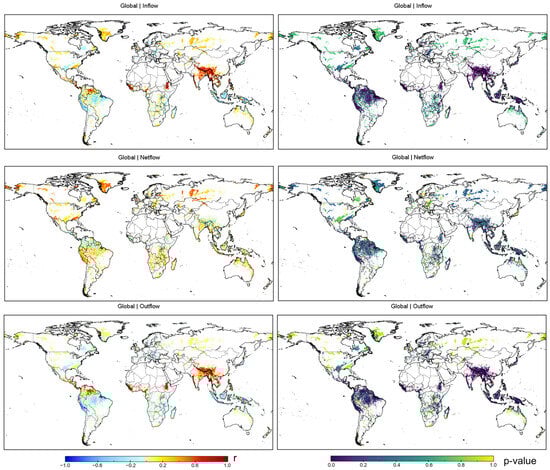
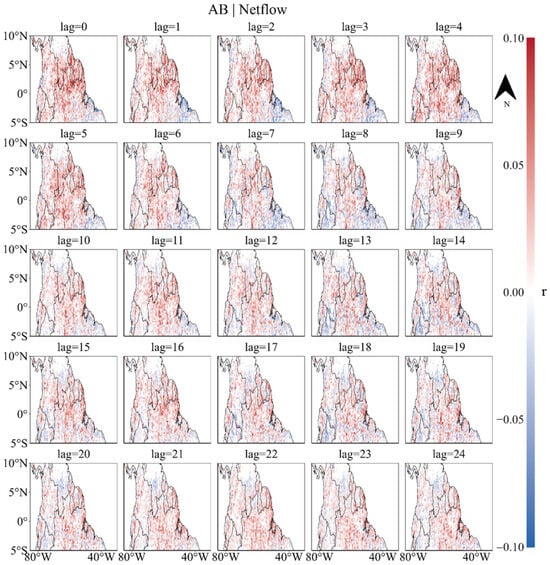
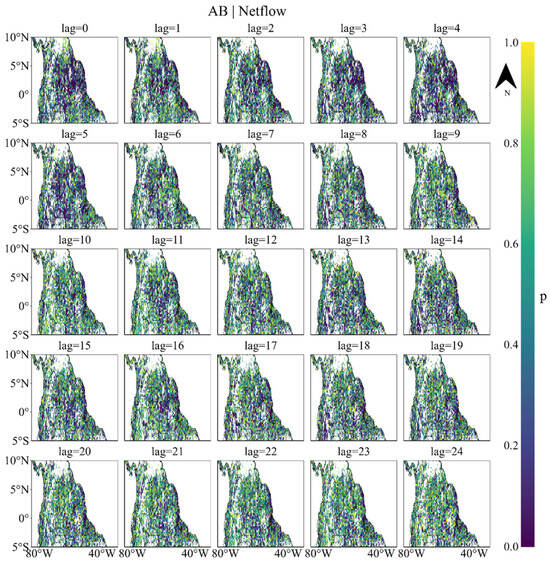
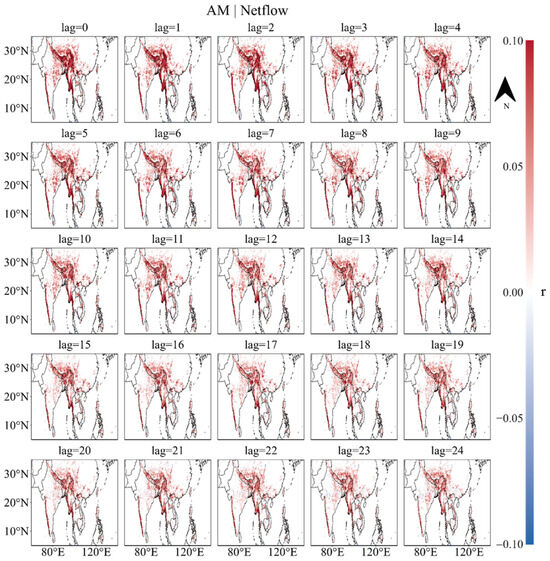
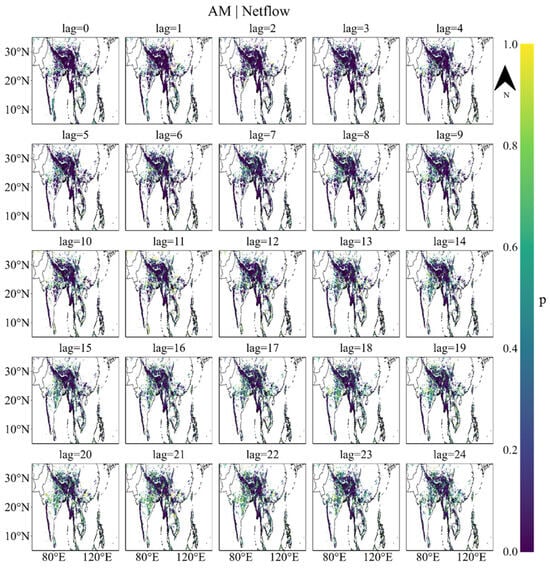
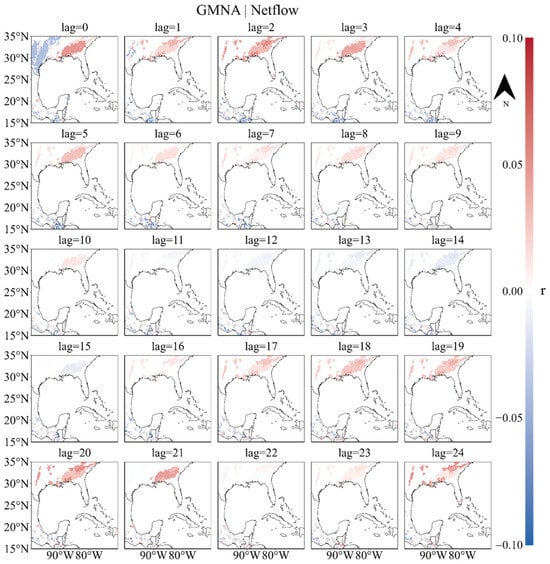
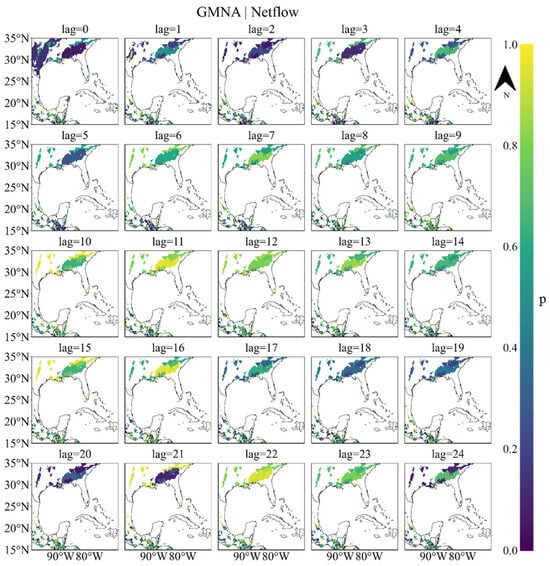
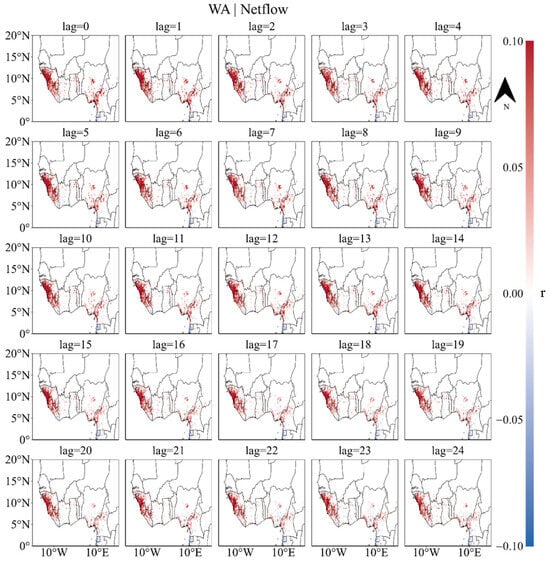
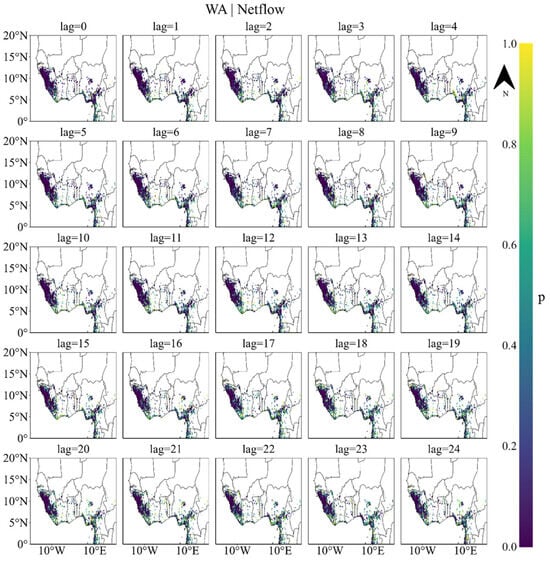
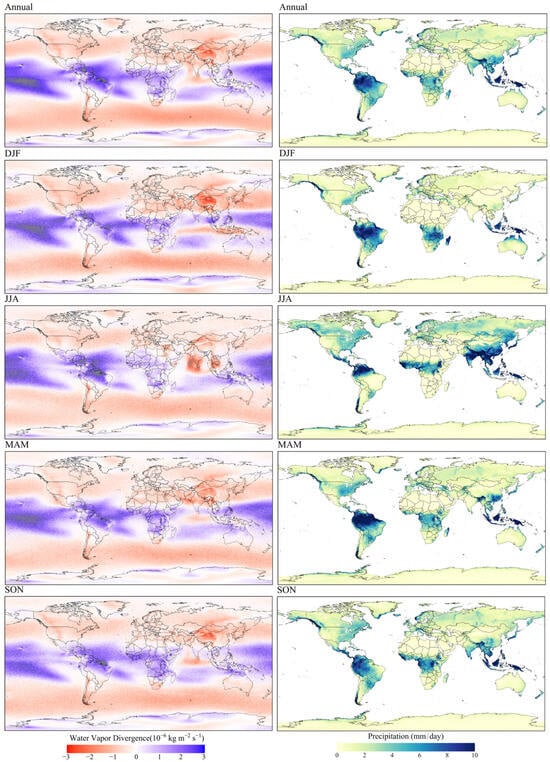
Atmospheric moisture availability plays a central role in regulating the occurrence and persistence of extreme precipitation, but its temporal linkage with large-scale moisture transport remains insufficiently quantified at the global scale. This study examines the lagged relationship between moisture transport across the land–ocean interface and extreme precipitation using ERA5 reanalysis data for the period 1979–2020. Extreme precipitation is characterized using the R95pTOT index, which measures the total precipitation accumulated during very wet periods. Vertically integrated moisture fluxes are projected onto coastal boundaries to quantify inflow, outflow, and netflow components of moisture transport. Lagged Pearson correlations as well as the p-value between these components and R95pTOT are evaluated globally and for four representative regions: the Asian Monsoon, the Amazon Basin, the Gulf of Mexico and North America, and West Africa. The results show that moisture inflow is positively associated with extreme precipitation across most regions, indicating that enhanced ocean-to-land moisture transport supports increased atmospheric moisture availability during extreme events. The strongest and most persistent relationships are found in tropical regions, where significant inflow–precipitation correlations persist for approximately 5–10 days. In contrast, mid-latitude coastal regions exhibit weaker and more transient relationships, consistent with the influence of rapidly evolving synoptic systems. Netflow correlations generally display weaker and more regionally dependent associations with extreme precipitation, with outflow showing weak or negative relationships in some regions, particularly in West Africa. Overall, the findings demonstrate that both the direction and temporal persistence of moisture transport play an important role in shaping regional differences in extreme precipitation.
Full article
The nature of nonlinear dynamics of financial markets results in fractal geometry and chaotic behavior that can be viewed on a variety of scales in time. This paper conducts research on the fractal characteristics of the stock network and its contribution to the
[...] Read more.
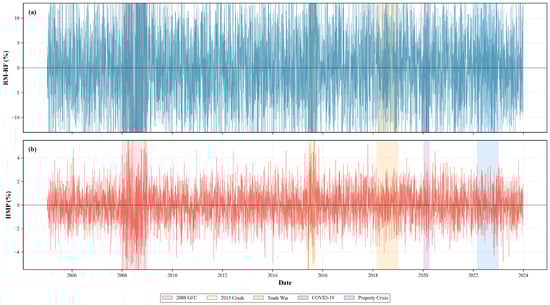
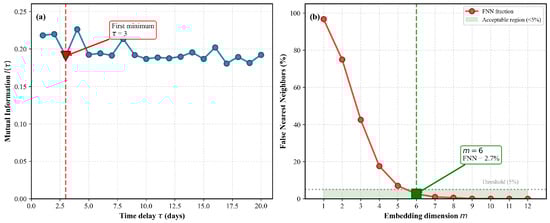
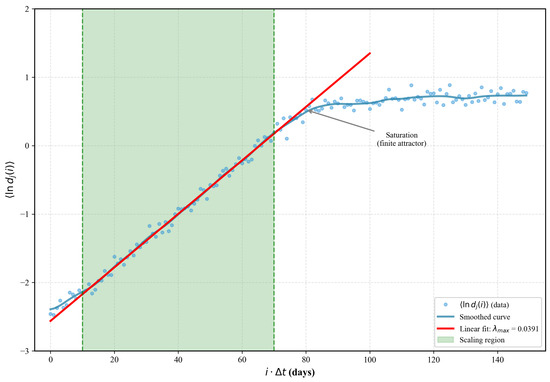
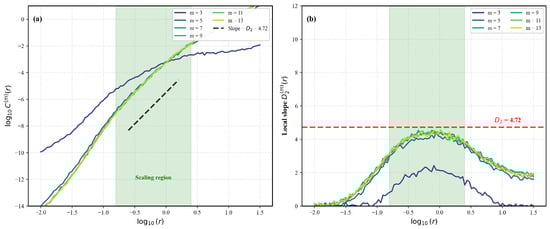
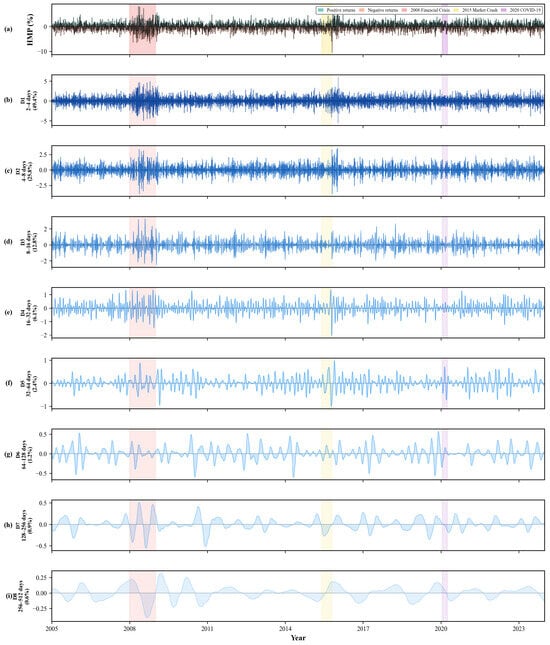
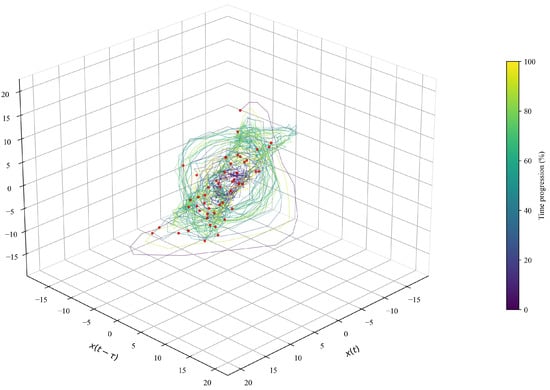
The nature of nonlinear dynamics of financial markets results in fractal geometry and chaotic behavior that can be viewed on a variety of scales in time. This paper conducts research on the fractal characteristics of the stock network and its contribution to the price of assets based on the Fractal Market Hypothesis (FMH). A multiscale network centrality measure is built based on high-frequency return dependencies to measure the self-similar, scale-invariant nature of inter-stock dependencies. The network factor and portfolio returns are then broken down with the wavelet packet decomposition (WPD) to obtain frequency-domain profiles, which characterize the variability of risk transmission in relation to investment horizons. The profiles are consistent with scaling properties of fractal, but the decomposition does not identify causal pathways on its own. Estimation of fractal dimension by use of the box-counting technique aided by the Hurst exponent analysis reveals that the A-share of China market exhibited long-range dependence and multifractal scaling. Network factor has the largest explanatory power in mid-frequency between the D5 and D6 bands of 32 to 128 days. This intermediary frequency concentration is consistent with the hypothesis of heterogeneous markets, in which the groups of investors with varying time horizons generate scale-related price dynamics. The addition of the network factor to a 6-factor specification lowers the GRS under the 5-factor specification by 31.45 to 17.82 on the same test-asset universe, indicating better cross-sectional coverage in the sample. The estimates of the Lyapunov exponents (0.039) as well as the correlation dimension () confirm the presence of low-dimensional chaotic processes of the network factor series, but these values are specific to the Chinese A-share market over the 2005–2023 sample period. These results provide a frequency-disaggregated use of network-based factor modeling and suggest that it can be applicable in multiscale portfolio risk management where the investor horizon is not uniform.
Full article
This study systematically investigates the influence of temperature on the defect formation mechanisms in uranium nitride (UN) crystals using first-principles calculations. The formation energies and lattice distortion characteristics of various defects at 0 K and 1780 K were calculated by constructing models of
[...] Read more.
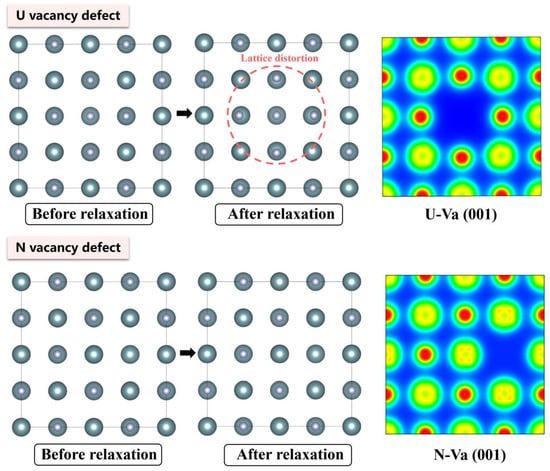
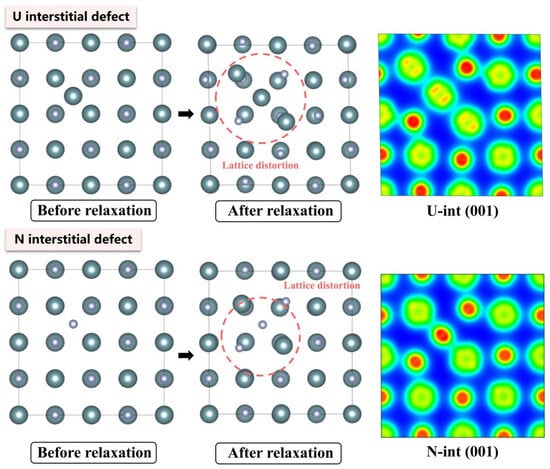
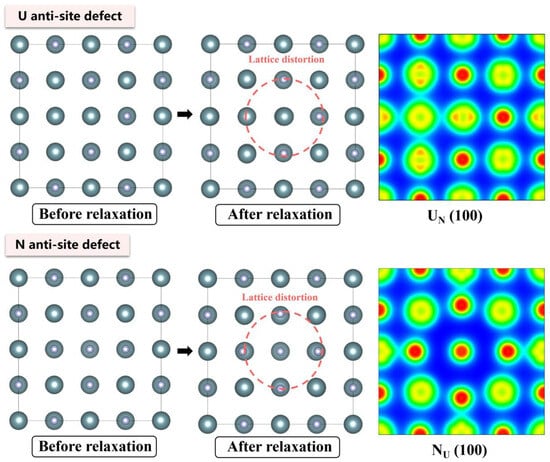
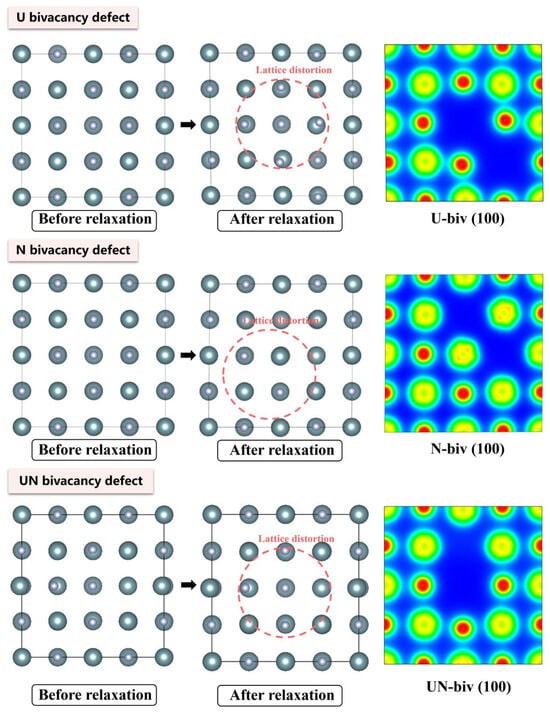
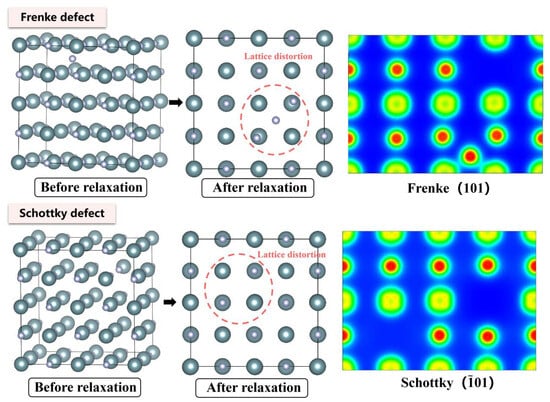
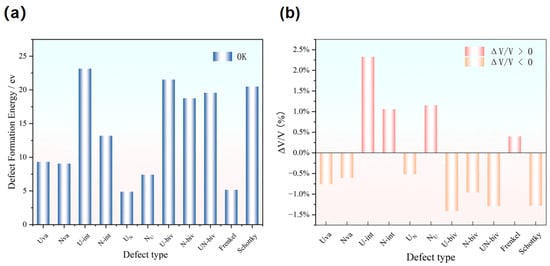
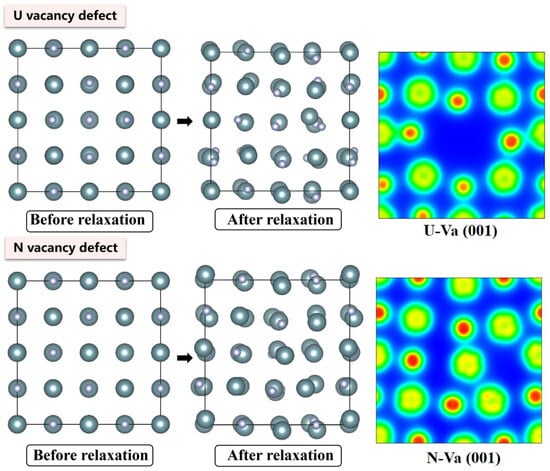
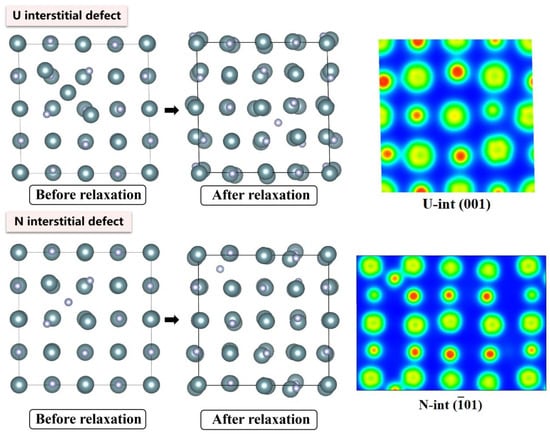
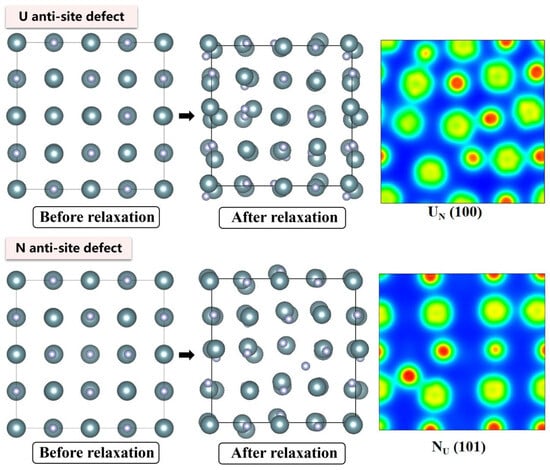
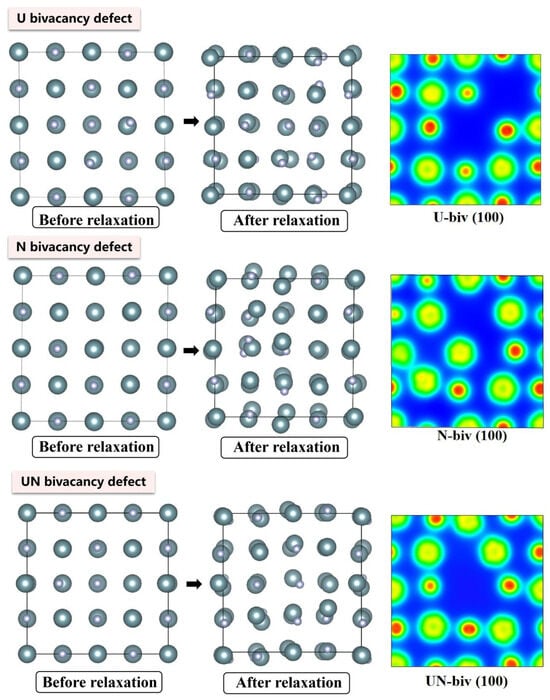
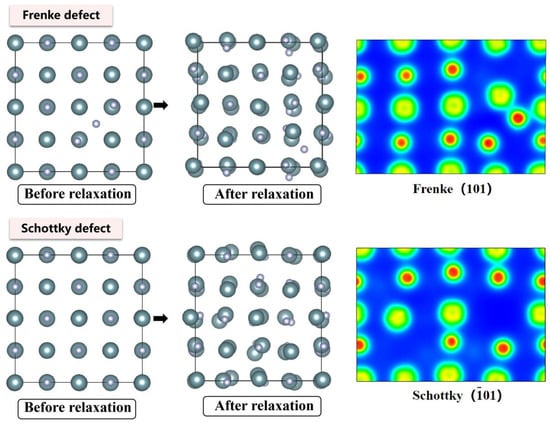
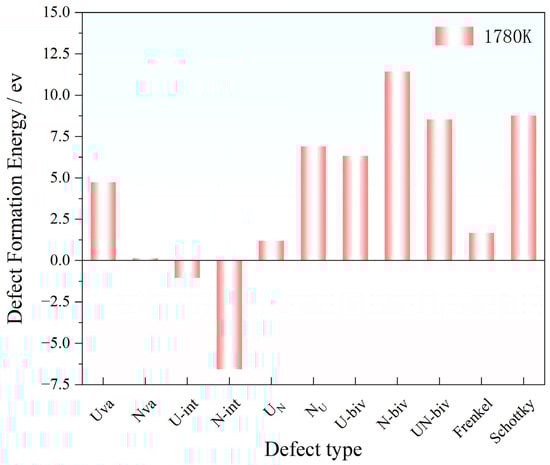
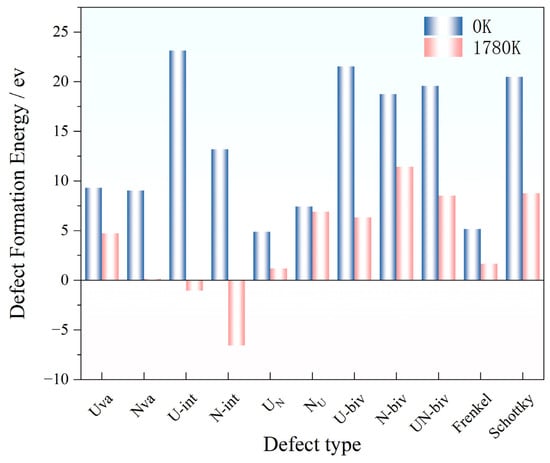
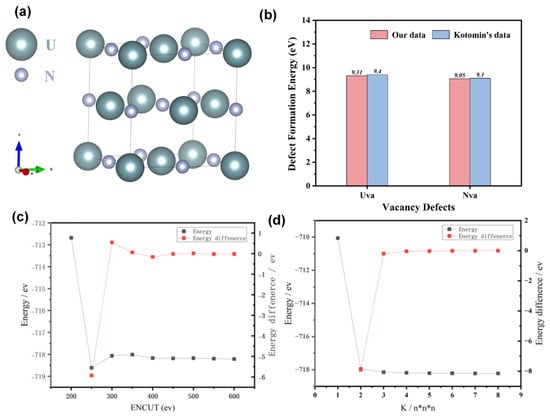
This study systematically investigates the influence of temperature on the defect formation mechanisms in uranium nitride (UN) crystals using first-principles calculations. The formation energies and lattice distortion characteristics of various defects at 0 K and 1780 K were calculated by constructing models of perfect crystals as well as vacancy, interstitial, antisite, and divacancy defects. The results demonstrate that elevated temperatures significantly reduce defect formation energies, with interstitial and divacancy defects exhibiting negative formation energies at 1780 K, indicating a tendency for spontaneous formation. The U interstitial defect induces the most pronounced lattice expansion of 5.1% at 0 K. Furthermore, interstitial defects cause the most significant lattice distortions, while Schottky defects exhibit the lowest formation energy. The current study provides theoretical insights into the defect behavior of UN fuel under high-temperature service conditions and offers valuable guidance for optimizing sintering process parameters.
Full article
Meat quality characteristics are important economic traits of ducks. To identify the molecular bases of these traits, we performed an integrated multi-omics analysis (metabolomics, transcriptomics, and miRNAomics) that compared the breast muscle of 300-day-old Liancheng white duck (LD), which is a lean-type breed
[...] Read more.
Meat quality characteristics are important economic traits of ducks. To identify the molecular bases of these traits, we performed an integrated multi-omics analysis (metabolomics, transcriptomics, and miRNAomics) that compared the breast muscle of 300-day-old Liancheng white duck (LD), which is a lean-type breed prized for its soup flavor, and traditional meat duck Cherry Valley duck (CD), which is a fast-growing fat-type breed used for roasting. The results show that LD had higher levels of amino and bile acids, while CD had higher levels of carbohydrates. Integration analysis revealed key breed-specific molecular signatures. In LD, upregulation of the amino acid transporters SLC7A6 and SLC6A9 related to amino acid transport was consistent with elevated intramuscular amino acids. For carbohydrate metabolism, SOCS3—a well-established negative regulator of glucose uptake in mammalian skeletal muscle—was significantly upregulated in LD, consistent with their lower intramuscular carbohydrate levels. SLC6A9 and SOCS3 were predicted to be negatively regulated by oan-miR-1386. In LD, upregulation of the bile acid biosynthesis gene CH25H paralleled the higher bile acid content, suggesting complex, tissue-specific regulation of these pathways. This integrated analysis provides a resource for candidate genes, miRNAs, and metabolic pathways underlying breed-specific meat quality traits in ducks. The findings generate testable hypotheses for future functional studies and offer potential molecular targets for breeding strategies aimed at improving poultry meat quality.
Full article
The paper presents results of a degradation analysis of polyamide 12 reinforced with carbon fibers used for additive manufacturing of cycloidal gear. Both FEM simulation and a fatigue test indicated the ability of the material to withstand loads during the work of cycloidal
[...] Read more.
The paper presents results of a degradation analysis of polyamide 12 reinforced with carbon fibers used for additive manufacturing of cycloidal gear. Both FEM simulation and a fatigue test indicated the ability of the material to withstand loads during the work of cycloidal transmission. However, a run-to-failure (RTF) test revealed critical failure after 105 cycles, with displacement and damage of the material in the area close to bearing instead of expected areas of teeth being in friction with pins. Acceleration analysis with time synchronous averaging (TSA) confirmed rapid degradation of the material’s strength at the end of the RTF test. It was found that the PA12 cycloidal gear damage was a result of fatigue accelerated by the temperature increase under the cyclic loads that took place during the RTF test. In particular, displacement of 0.2 mm did not appear in the specimens tested at 27 °C even after 105 cycles, while at 140 °C this value was reached almost immediately. At 70 °C and 90 °C, plastic deformation of 0.2 mm was reached after 30,000 and 5000 cycles, respectively. The finding can be used in a predictive maintenance system of such cycloidal transmission with 3D-printed polymer gears.
Full article
by
Rossy Uscamaita-Quispetupa, Erwin J. Sacoto-Cabrera, Roger Jesus Coaquira-Castillo, L. Walter Utrilla Mego, Julio Cesar Herrera-Levano, Yesenia Concha-Ramos and Edison Moreno-Cardenas
Energies2026, 19(6), 1485; https://doi.org/10.3390/en19061485 (registering DOI) - 16 Mar 2026
This article presents an online additive fault-detection system for the speed sensor of a 200 W shunt-type direct current (DC) motor, integrated into a power module controlled by an Insulated Gate Bipolar Transistor (IGBT). The system is designed to trigger an alarm signal
[...] Read more.
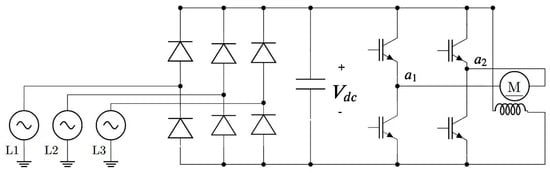
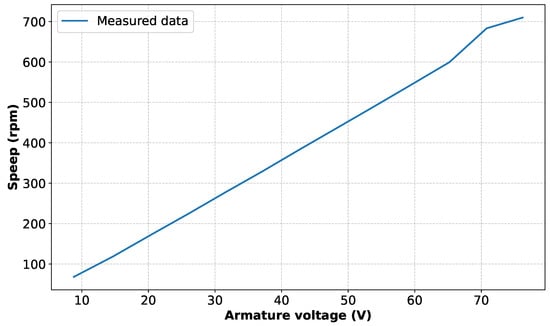
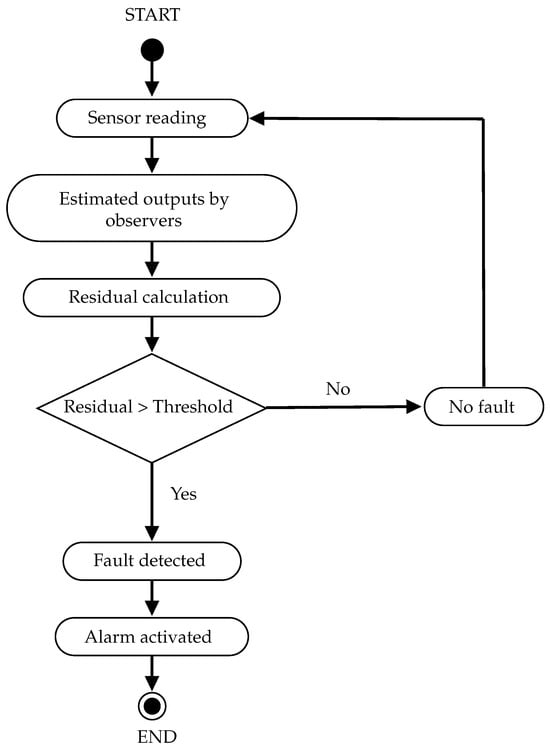
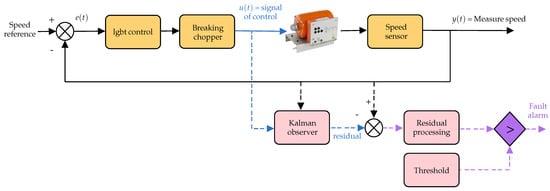
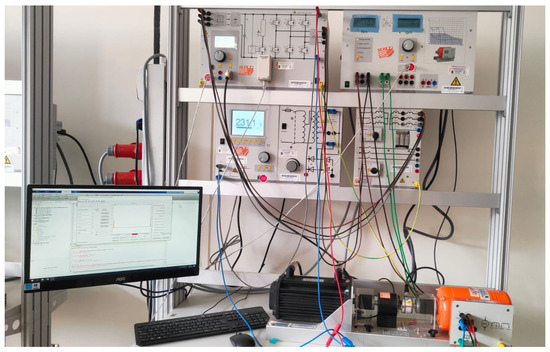
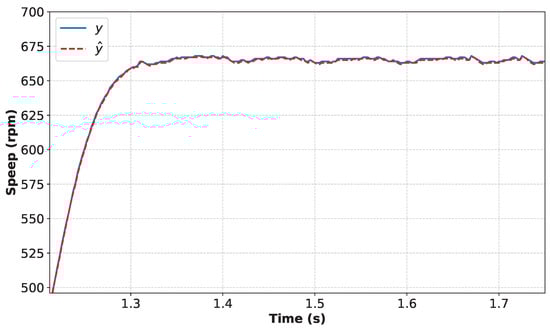
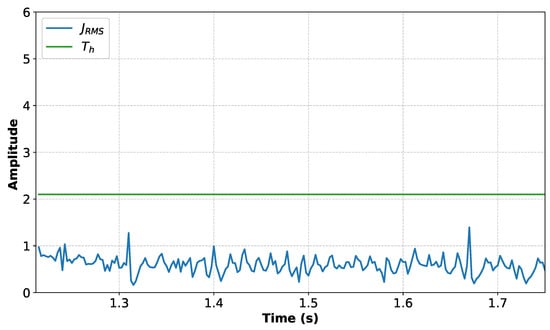
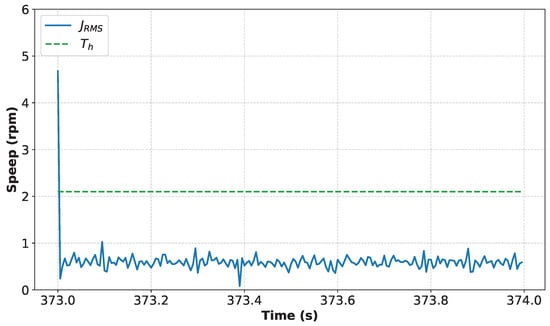
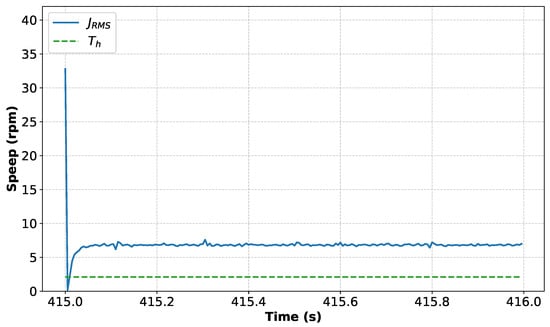
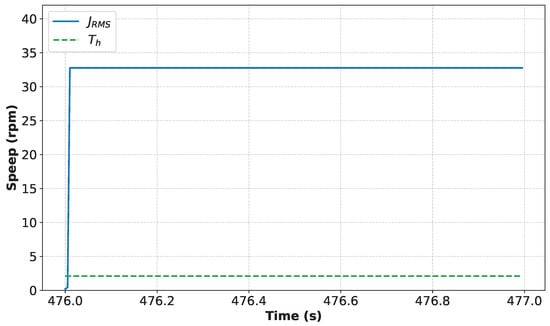
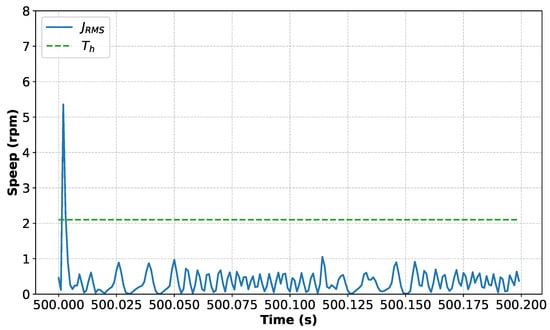
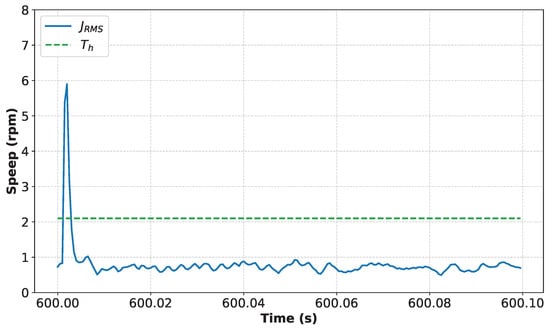
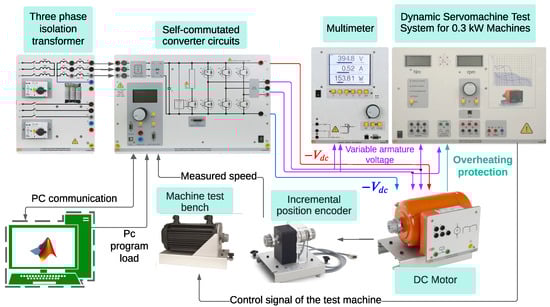
This article presents an online additive fault-detection system for the speed sensor of a 200 W shunt-type direct current (DC) motor, integrated into a power module controlled by an Insulated Gate Bipolar Transistor (IGBT). The system is designed to trigger an alarm signal when an additive fault occurs by comparing the Kalman Filter (KF) residual against a predefined detection threshold. Three specific fault types in the speed sensor were analyzed: offset, disconnection, and sinusoidal noise. Experimental results demonstrate effective fault detection across a speed range of 80 to 690 rpm under no-load conditions. However, when a constant torque of 0.5 Nm is applied, both the detection threshold and the subset of reliably identifiable faults must be adjusted. The main contribution of this study is the development of a customized real-time fault detection framework and the characterization of residual variations caused by unmodeled load disturbances in actual hardware. This approach improves the monitoring and fault-diagnosis capabilities of sensor systems in DC motors by quantifying the stochastic behavior of residuals under different operating constraints.
Full article
Nitrogen supplements such as yeast extract and peptone/tryptone are the main cost drivers in bacterial cellulose (BC) fermentation. This study evaluated fourteen cereal, pseudo-cereal and legume flours as media substitutes for Komagataeibacter xylinus DSMZ 2325 using two strategies: (i) constant total nitrogen (CTN;
[...] Read more.
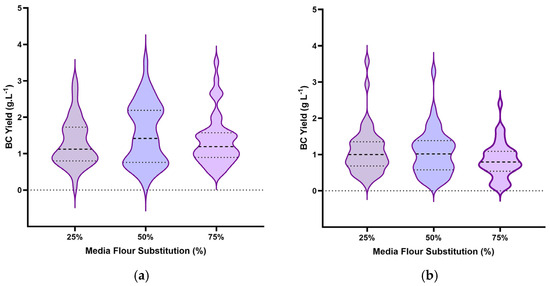
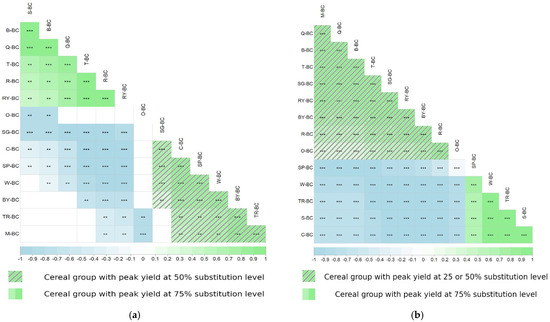
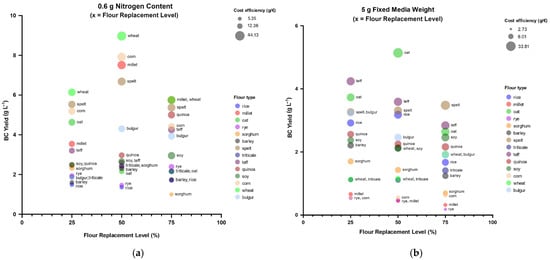
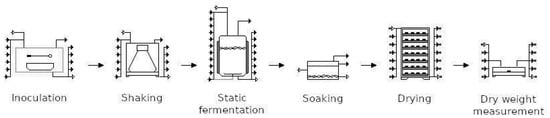
Nitrogen supplements such as yeast extract and peptone/tryptone are the main cost drivers in bacterial cellulose (BC) fermentation. This study evaluated fourteen cereal, pseudo-cereal and legume flours as media substitutes for Komagataeibacter xylinus DSMZ 2325 using two strategies: (i) constant total nitrogen (CTN; 0.6 g·L−1) and (ii) constant nitrogen-source mass (CNSM; 5.0 g·L−1). BC yield (dry g·L−1) was determined under static cultivation and analyzed by ANOVA, correlation statistics and techno-economic assessment. Flour type and substitution level significantly influenced BC production (p < 0.05). CTN substitution enhanced production, with the highest peak yields obtained for W-BC, C-BC, M-BC and SP-BC (6.68–8.97 g·L−1). CNSM substitution limited production, with O-BC and T-BC performing best (4.24–5.14 g·L−1). Techno-economic analysis further showed that the CTN regime substantially improved cost efficiency and reduced BC unit production cost, with the maximum reduction observed for TR-BC at 75% substitution (from 0.27 to 0.08 €/g; 70.37%) relative to the corresponding CTN HS control. Under the CNSM regime, the maximum reduction was observed for BY-BC at 50% substitution (from 0.25 to 0.07 €/g; 72.00%) relative to the corresponding CNSM HS control. These findings demonstrate that graded nitrogen substitution is an effective strategy for economically sustainable and scalable BC production.
Full article
by
Erika Madeleyne Ramos-Rivera, Nancy Romero-Ceronio, Oswaldo Hernández-Abreu, Cuauhtémoc Alvarado-Sánchez, Quirino Torres-Sauret, Manuel Velasco-Ximello, Heidi Beatriz Montejo-Méndez, Jorge Cortez-Elizalde, Nadia Landero-Valenzuela, Luis Fernando Roa de la Fuente, Rosalía Torralba Sánchez, Lucero Vázquez-Cruz, Miguel Ángel Vilchis-Reyes and Alam Yair Hidalgo
Int. J. Mol. Sci.2026, 27(6), 2711; https://doi.org/10.3390/ijms27062711 (registering DOI) - 16 Mar 2026
Chalcones are compounds containing an α,β-unsaturated carbonyl group that have been studied due to their structural simplicity, ease of synthesis, and broad spectrum of biological activities. Within this family, nitrochalcones have gained relevance due to the influence of the nitro group (–NO2 [...] Read more.
Chalcones are compounds containing an α,β-unsaturated carbonyl group that have been studied due to their structural simplicity, ease of synthesis, and broad spectrum of biological activities. Within this family, nitrochalcones have gained relevance due to the influence of the nitro group (–NO2) on the modulation of their electronic properties, chemical reactivity, and pharmacological behavior. This review presents a critical analysis of advances in the biological activities and possible mechanisms of action of nitrochalcones and their derivatives, with an emphasis on their structure–activity relationships and therapeutic potential. The available evidence shows that nitrochalcones and their derivatives act as multitarget molecules, capable of intervening in key biological processes such as oxidative stress, mitochondrial dysfunction, inflammation, and cell signaling pathways associated with proliferation and apoptosis. Several studies report anticancer, anti-inflammatory, antiparasitic, antimicrobial, antifungal, and cardiovascular activities, often with favorable selectivity toward pathological cells over healthy cells.
Full article
Background: As populations age and digitalization accelerates globally, understanding whether digital inclusion can enhance the economic well-being of older adults is critical for achieving sustainable development. However, empirical evidence on the mechanisms linking digital life to sustainable income among older populations remains limited.
[...] Read more.
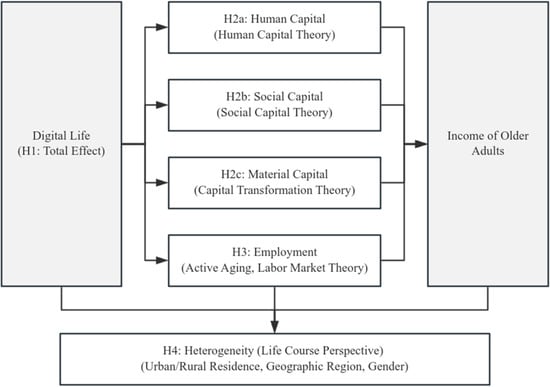
Background: As populations age and digitalization accelerates globally, understanding whether digital inclusion can enhance the economic well-being of older adults is critical for achieving sustainable development. However, empirical evidence on the mechanisms linking digital life to sustainable income among older populations remains limited. Design: This study utilizes data from the 2023 Chinese General Social Survey (CGSS), comprising 3127 respondents aged 55 and older. We employ ordinary least squares (OLS) regression with city fixed effects, instrumental variable estimation, and mediation analysis to examine the impact of digital life on income and its underlying mechanisms, with a focus on sustainability outcomes. Results: Digital life significantly enhances income levels among older adults, a finding robust to endogeneity and sensitivity checks. Heterogeneity analysis shows stronger effects for rural seniors, those in western regions, and older women. Mediation analysis reveals that digital engagement boosts income through four pathways—employment, material capital, social capital, and human capital—each contributing to the economic sustainability of aging populations. Conclusions: Digital inclusion serves as a mechanism to transform seniors’ dormant assets into productive capital, thereby promoting sustainable income and contributing to the Sustainable Development Goals (SDGs), particularly SDG 8 (Decent Work and Economic Growth) and SDG 10 (Reduced Inequalities). Policies should prioritize targeted digital literacy training, age-friendly platform design, and integration with social protection systems to foster inclusive and sustainable aging societies.
Full article
This paper presents a systematic application of the Homotopy Perturbation Method (HPM) to the nonlinear static analysis of cantilever beams subjected simultaneously to three coplanar follower loads: an axial force H, a transverse force V, and a bending moment M1. The
[...] Read more.
This paper presents a systematic application of the Homotopy Perturbation Method (HPM) to the nonlinear static analysis of cantilever beams subjected simultaneously to three coplanar follower loads: an axial force H, a transverse force V, and a bending moment M1. The studied configuration introduces complex mathematical self-coupling, as the bending moment depends on the solution of the differential equation even in its boundary conditions (γ1), transforming the problem into a nonlinear one that is resistant to standard analytical methods. The primary methodological contribution of this work is the successful extension of the HPM framework to treat, within a unified mathematical formalism, this complete loading case, which has practical applications in compliant mechanisms, micro-electromechanical systems (MEMSs), and auxetic structures. The paper provides a complete mathematical formulation and explicit derivation of the HPM solution terms up to the third order and a rigorous demonstration of the method’s convergence, with quantitative error estimates and the establishment of a practical domain of validity, γ1 < 30°, for an accuracy below 0.5%. As a direct consequence of this analytical advancement, we derive a series of practical engineering tools: nomograms, simplified empirical formulas, interaction diagrams, and a systematic six-step design procedure, which includes an adaptive algorithm for selecting the auxiliary parameter η to optimize convergence. The solution’s structure also lends itself to AI-based optimization frameworks, demonstrating how HPM solutions can serve as a foundation for machine learning surrogates and automated multi-objective optimizations. HPM proves to be a robust and efficient alternative, providing semi-analytical solutions in the form of convergent series without requiring an explicitly small physical parameter. This enables a direct parametric understanding of the structural response and offers rapid tools for the conceptual and preliminary sizing phases, thereby complementing the intensive numerical methods used in the final design stages.
Full article
The spongy moth is a significant Lepidopteran species across Europe, where it occurs in oak stands. Tree species composition has a crucial effect on larval development, population density, and outbreaks. Host switching is more likely to occur in a mixed forest than in
[...] Read more.
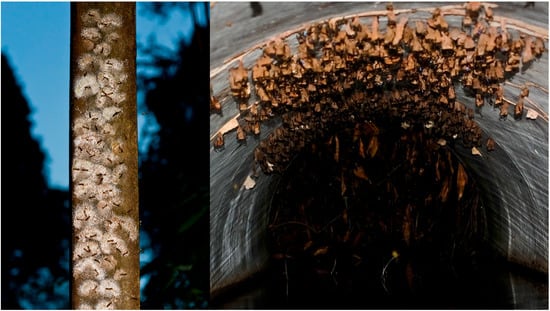
The spongy moth is a significant Lepidopteran species across Europe, where it occurs in oak stands. Tree species composition has a crucial effect on larval development, population density, and outbreaks. Host switching is more likely to occur in a mixed forest than in a monospecific forest. We aimed to better understand the effect of host alternation on the development of the spongy moth. In a laboratory, we reared spongy moth larvae on either (a) Turkey oak (Quercus cerris L.) or (b) European hornbeam (Carpinus betulus L.) only or on host plants that were changed from Turkey oak to European hornbeam (c) in the early (L3) or (d) late (L5) larval instar. Both Q. cerris and C. betulus proved suitable hosts for the spongy moth larvae. However, the larvae fed exclusively on Turkey oak leaves had better developmental indicators than the others. The groups that switched hosts had weaker developmental indicators than the larvae fed only on Turkey oak but showed better development than the group reared only on Hornbeam leaves. The results of our laboratory research on host switching may offer valuable insights into the developmental dynamics of spongy moths in monospecific forests versus those with higher biodiversity.
Full article
by
Lisa Padroni, Giorgia Marmiroli, Laura De Marco, Valentina Fiano, Saverio Caini, Claudia Agnoli, Claudia Vener, Vittorio Simeon, Salvatore Panico, Luca Manfredi, Lorenzo Milani, Fulvio Ricceri and Carlotta Sacerdote
Int. J. Mol. Sci.2026, 27(6), 2706; https://doi.org/10.3390/ijms27062706 (registering DOI) - 16 Mar 2026
Circulating microRNAs (miRNAs) are promising minimally invasive biomarkers for cancer risk assessment, yet prospective evidence for breast cancer (BC) remains limited. We conducted a nested case–control study within a prospective cohort to examine whether pre-diagnostic circulating miRNAs are associated with subsequent BC risk
[...] Read more.
Circulating microRNAs (miRNAs) are promising minimally invasive biomarkers for cancer risk assessment, yet prospective evidence for breast cancer (BC) remains limited. We conducted a nested case–control study within a prospective cohort to examine whether pre-diagnostic circulating miRNAs are associated with subsequent BC risk and to explore their potential relevance in prospective population-based settings. Baseline serum from 160 women (80 incident BC cases; 80 matched controls) was analyzed, with a median time to diagnosis of 8.9 years. Eight candidate miRNAs were quantified by droplet digital PCR (ddPCR) and normalized to miR-484. Group differences were evaluated by non-parametric tests, and odds ratios for BC were estimated using logistic regression models adjusted for established risk factors, with Bonferroni correction for multiple testing. Cases and controls were comparable at baseline. Among the candidates, lower circulating miR-181 levels showed a suggestive inverse association with BC risk in fully adjusted models, while lower Let7 levels showed only a non-significant, hypothesis-generating inverse trend that did not survive Bonferroni correction. No other miRNA displayed clear associations with BC risk. These findings, while preliminary, support further large-scale prospective investigations specifically designed to assess predictive performance and external validation. employing standardized pre-analytical and analytical protocols, repeated sampling, and independent replication/external validation to clarify the etiologic relevance and potential risk-prediction value of circulating miRNAs for BC.
Full article
This study examines how zoning regimes mediate the capitalization of officially assessed land values into housing prices in a high-density metropolitan housing market. Using transaction-level housing data from New Taipei City, Taiwan, we estimate a hedonic pricing model combined with a boundary-based spatial
[...] Read more.
This study examines how zoning regimes mediate the capitalization of officially assessed land values into housing prices in a high-density metropolitan housing market. Using transaction-level housing data from New Taipei City, Taiwan, we estimate a hedonic pricing model combined with a boundary-based spatial comparison that restricts observations to properties located near zoning borders. The results indicate that official land values are significantly associated with housing prices but are only partially capitalized, with an estimated elasticity of approximately β ≈ 0.37 in the baseline specification. Interaction models further reveal that capitalization elasticities vary systematically across zoning regimes, suggesting that planning regulations influence how administratively determined land values are translated into market prices. These heterogeneous capitalization patterns remain stable across alternative boundary bandwidths and model specifications. The findings highlight the institutional role of zoning systems in shaping the relationship between administratively assessed land values and housing market outcomes. More broadly, the study contributes to the literature on housing market regulation by demonstrating how land-use institutions mediate price formation processes in densely developed urban environments.
Full article
The intermittent and variable nature of solar energy poses challenges for maintaining stable thermal performance in solar heating systems. One effective approach to mitigate this limitation is to store surplus thermal energy during periods of high solar irradiance and release it when solar
[...] Read more.
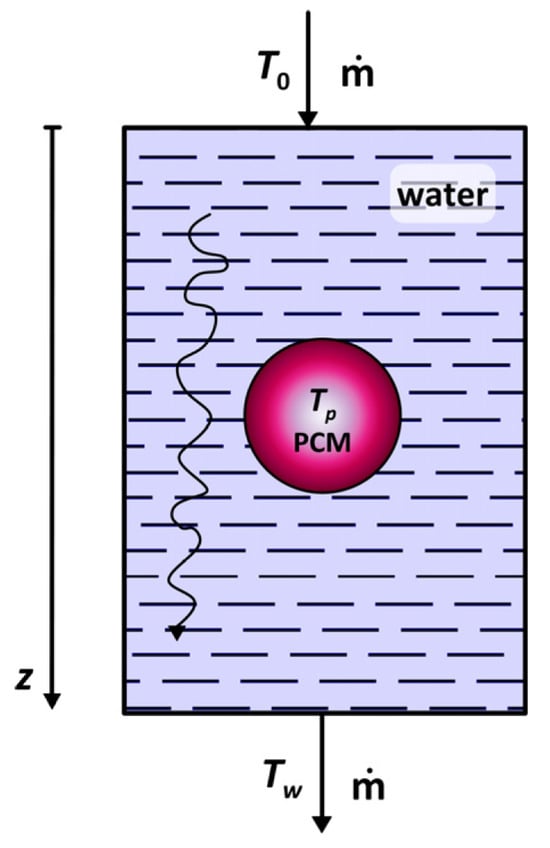
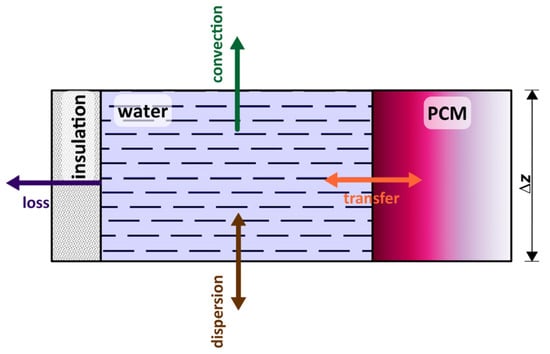
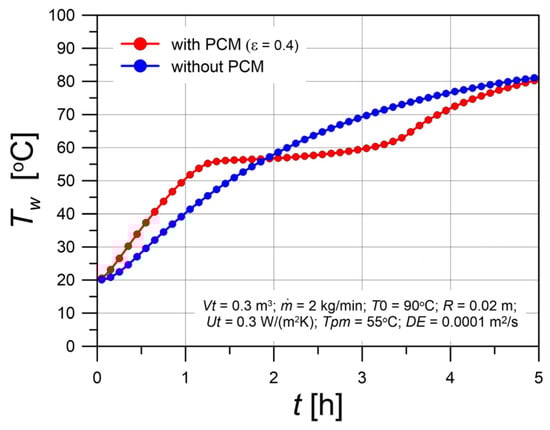
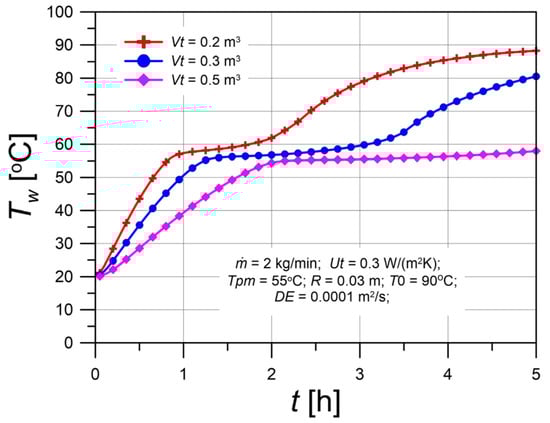
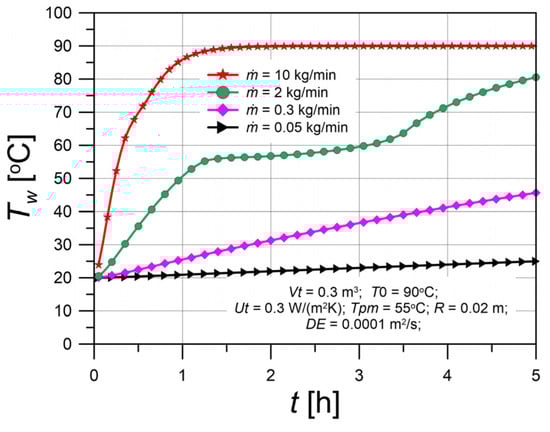
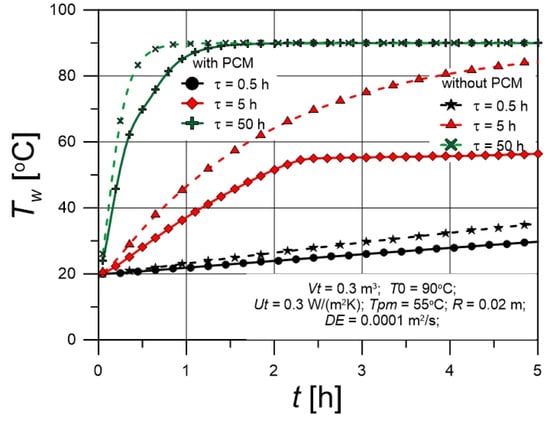
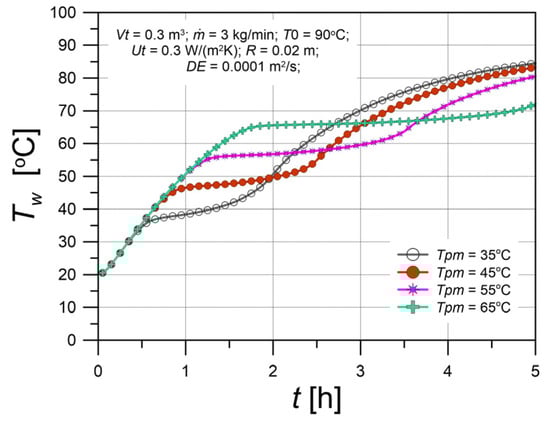
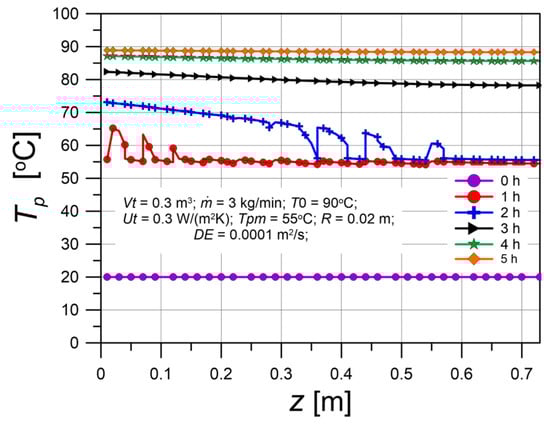
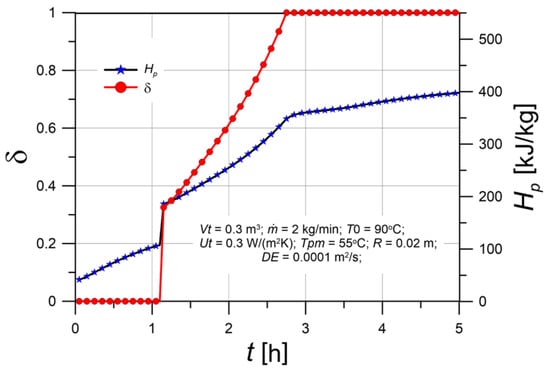
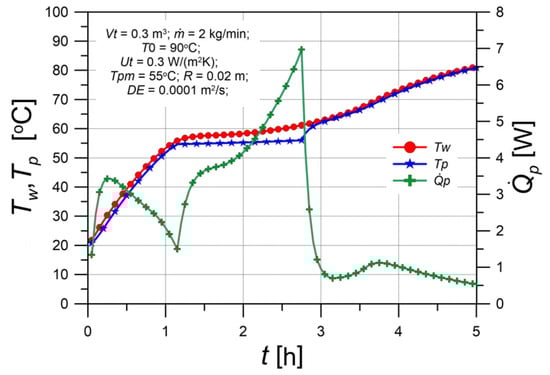
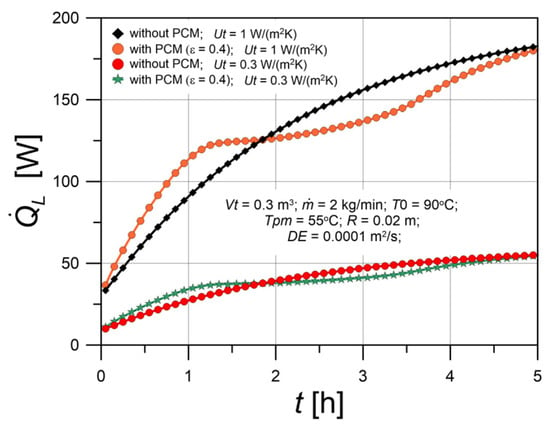
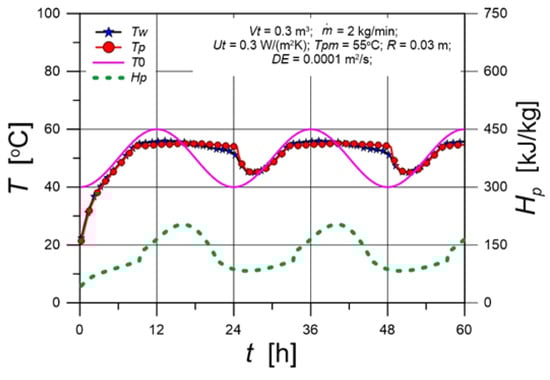
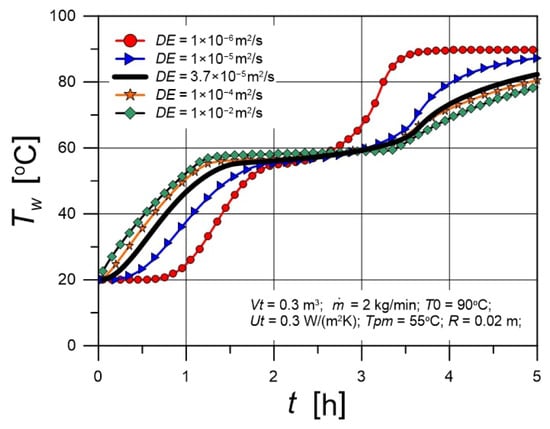
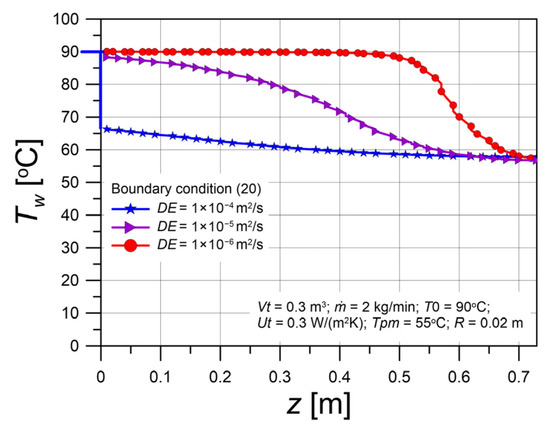
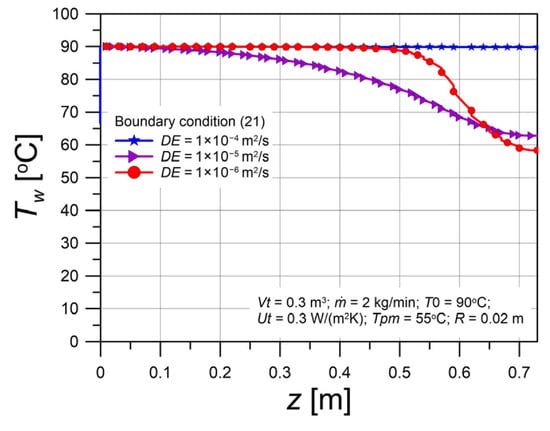
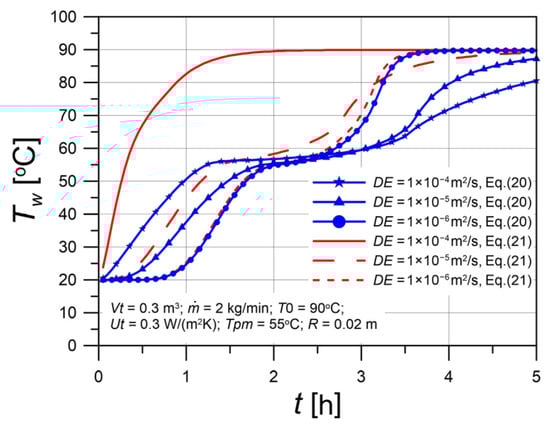
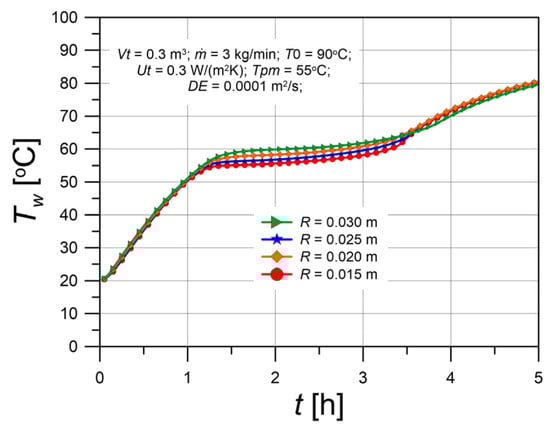
The intermittent and variable nature of solar energy poses challenges for maintaining stable thermal performance in solar heating systems. One effective approach to mitigate this limitation is to store surplus thermal energy during periods of high solar irradiance and release it when solar input is insufficient. Phase change materials (PCMs) are particularly suitable for this purpose due to their ability to absorb and release large amounts of latent heat during phase transition. The aim of this work is to develop a mathematical model of a flow-through tank containing a phase change material in the form of a spherical packed bed. Including longitudinal dispersion in the model equations allows for a more accurate description of the heat transfer process in a tank containing PCM elements. Simulation calculations based on the model were carried out to demonstrate its potential applicability to practical problems. The influence of the following parameters on the process was investigated: tank volume, water flow rate, phase change temperature, process duration, dispersion coefficient during water flow, radius of the packed-bed elements, and cyclic variations of the inlet water temperature. A significant influence of the axial dispersion coefficient in the tank containing PCM on the outlet water temperature profile was demonstrated. It was found that the internal heat transfer coefficient within the packing elements containing PCM falls within the range of 58–145 W/(m2K).
Full article
by
Hyun-Woo Choi, Yoo-Ree Kang, Eun-Soon Son, Kyungsik Choi, Myungsun Cho, Young Jin Kim, Seo A Lee, Jin Young Lee, Jee Hey Kim, Seon Joo Kang, Seung-Jung Kee, Jong Seok Lee and Hee Joo Lee
Pathogens2026, 15(3), 320; https://doi.org/10.3390/pathogens15030320 (registering DOI) - 16 Mar 2026
Multidrug-resistant tuberculosis is a major global health concern. Newer agents, including bedaquiline (BDQ), delamanid (DLM), pretomanid (PMD), and linezolid (LZD), are essential for treatment; however, the resistance mechanisms of these drugs remain poorly understood in South Korea. This study aimed to investigate correlations
[...] Read more.
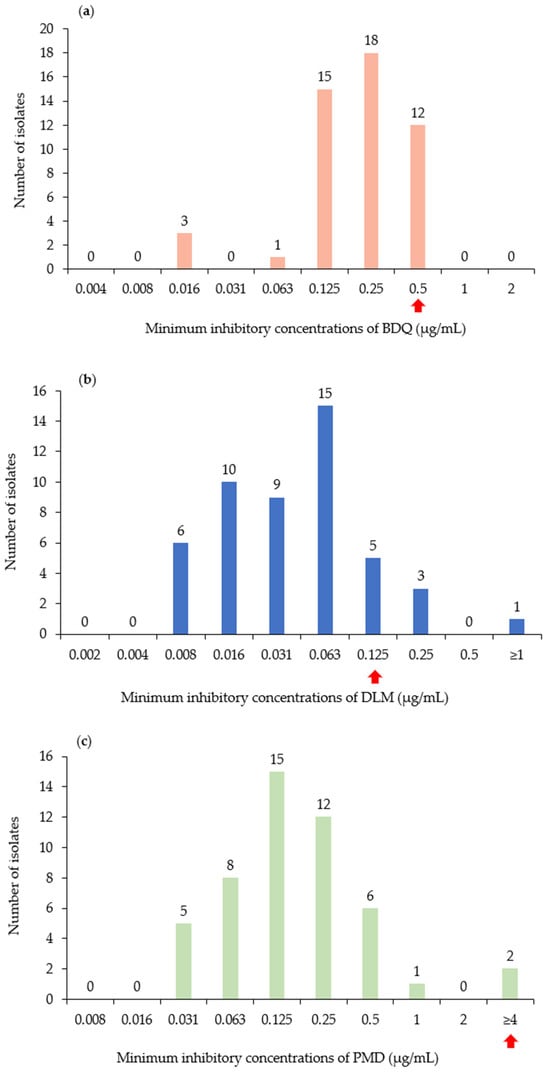
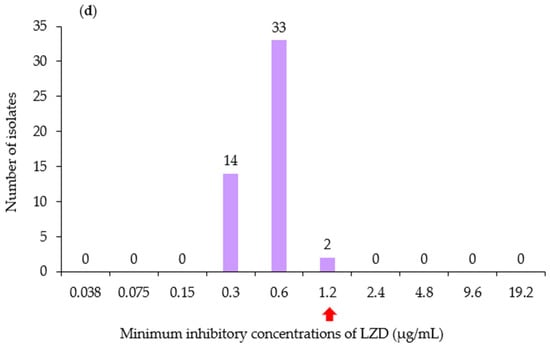
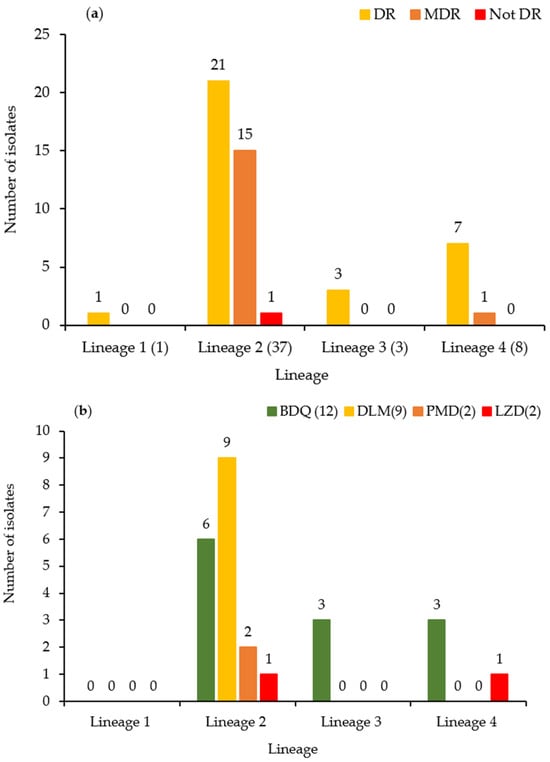
Multidrug-resistant tuberculosis is a major global health concern. Newer agents, including bedaquiline (BDQ), delamanid (DLM), pretomanid (PMD), and linezolid (LZD), are essential for treatment; however, the resistance mechanisms of these drugs remain poorly understood in South Korea. This study aimed to investigate correlations between phenotypic and genotypic resistance to these drugs using 49 clinical Mycobacterium tuberculosis isolates collected in South Korea between 2017 and 2022. The minimum inhibitory concentrations were determined using the 7H9 broth microdilution method, and whole-genome sequencing (WGS) results were compared with the May 2024 World Health Organization (WHO) mutation catalogue. Phenotypic drug susceptibility testing (pDST) revealed elevated MICs to BDQ in 12 isolates (24.5%), DLM in nine (18.4%), and PMD and LZD in two each (4.1%). No Group 1 or 2 resistance-associated mutations were detected in BDQ-, PMD-, or LZD-elevated-MIC isolates. A Group 2 mutation (fbiC_LoF) was observed in one DLM-elevated-MIC isolate, whereas fbiC_p.Ala855fs (WHO Group 2) mutations occurred in four susceptible isolates. These findings suggest resistance mechanisms beyond the current WHO catalog. Discrepancies between pDST and WGS highlight the need for integrated diagnostics and reinforce the importance of ongoing surveillance and refinement of mutation classification systems to improve genotypic resistance prediction.
Full article










 Sustainability
 Applied Sciences
 IJMS
IJMS
 JCM
JCM
 Sensors
 Energies
 Electronics
 Materials
 Buildings
 Foods
Foods
 Nutrients
 Molecules
 Cancers
 Mathematics
 Diagnostics
 Animals
 Plants
 Processes
 Remote Sensing
 Healthcare
 Polymers
 Water
Water
 Biomedicines
 Microorganisms
 Agriculture
 Agronomy
 JMSE
JMSE
 Medicina
 Cells
Cells
 Life
Life
 Education Sciences
 Symmetry
 Biomolecules
 Pharmaceuticals
 Land
Land
 Biology
 Children
 Behavioral Sciences
 Antioxidants
 Religions
 Pharmaceutics
 Forests
 Bioengineering
 Nanomaterials
 Coatings
 Micromachines
 Genes
Genes
 Viruses
 IJERPH
 Antibiotics
 Machines
 Metals
 Horticulturae
 Entropy
 Insects
 Minerals
 Pathogens
 Systems
 CIMB
CIMB
 Atmosphere
 Brain Sciences
 Information
 Veterinary Sciences